find near you


 find near you
Whether you’re starting a wine collection or refining how you care for bottles you already love, knowing how to store wine properly is essential. The right storage conditions protect flavor, aroma, and structure—especially for wines designed to age, like age-worthy Pinot Noir and Chardonnay.
This guide is designed for both new collectors and experienced wine lovers looking to refine their wine storage and aging habits.
This comprehensive guide to storing wine answers the most common questions wine lovers ask online: Where should I store wine? What is the ideal wine cellar temperature? How long should I age wine before opening it? With a few practical adjustments, you can dramatically improve how your wines evolve over time.
Why Wine Storage Matters More Than Most People Realize
Wine is alive. From the moment it’s bottled, it continues to change in response to its environment. Poor storage can flatten flavors, dry out corks, or prematurely age wine—sometimes beyond recovery.
One of the most common mistakes is storing wine in the kitchen. While convenient, kitchens expose bottles to fluctuating temperatures, bright light, and vibration. Even wines meant to be enjoyed young benefit from thoughtful storage.
Understanding how to best store wine helps ensure every bottle reflects the craftsmanship behind it.
Wine Cellar Temperature: The Foundation of Proper Storage
When people search “temperature for storing wine,” they’re often surprised by the answer.
- Ideal wine cellar temperature: ~55°F
- Acceptable range: 45–60°F
- Avoid: Rapid temperature swings over 5–10 degrees
Temperature controls the pace of aging. Cooler conditions slow chemical reactions, allowing aromas and textures to integrate gradually. Excess heat accelerates aging and can cause corks to fail, leading to oxidation.
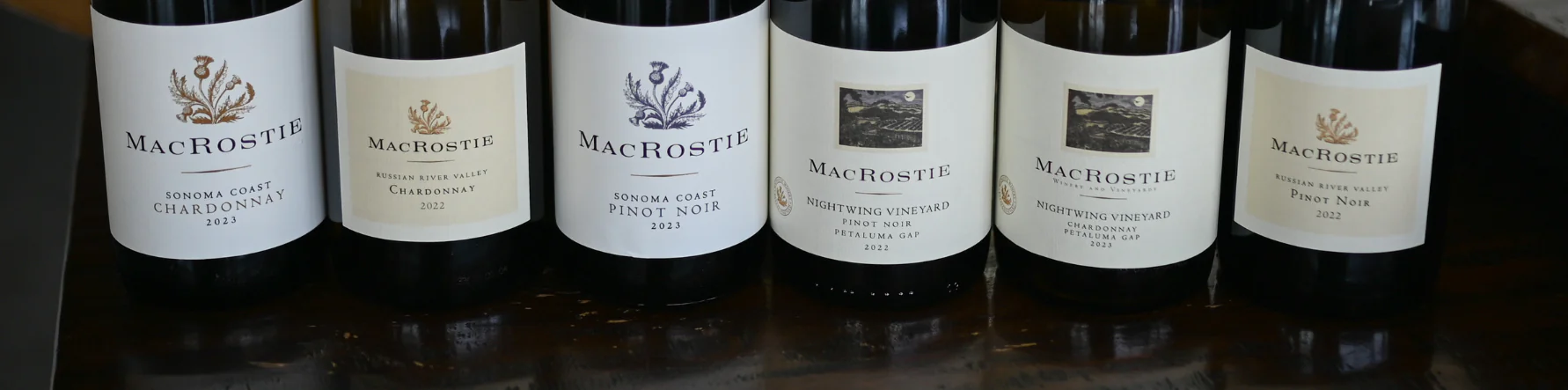
Consistency matters more than hitting an exact number, particularly for expressive wines like Sonoma Coast Pinot Noir, Russian River Valley Pinot Noir, and Russian River Valley Chardonnay.
Light, Humidity, and Vibration: Key Wine Cellar Tips
While temperature is most important, these factors also influence longevity.
Light
Direct sunlight and fluorescent bulbs can alter a wine’s aroma, flavor, and clarity. Dark storage is always best.
Humidity
Ideal humidity: 65–70%
Dry air can shrink corks, allowing oxygen into the bottle. Excess humidity can damage labels or encourage mold. A hygrometer is an inexpensive way to monitor conditions.
Vibration
Wine benefits from stillness. Continuous movement disrupts sediment and interferes with natural aging. Avoid storing wine near appliances or high-traffic areas.
Where to Store Wine at Home (Without a Cellar)
If you don’t have a traditional cellar, you’re not alone. Good options include:
- Interior-facing closets
- Basements away from heat sources
- Wine refrigerators for consistent control
Store bottles horizontally so the cork stays moist. Keep labels facing up to reduce handling and disturbance.
Even without a dedicated wine cellar, proper wine storage is absolutely possible in apartments and smaller homes.
If no suitable space exists, it’s better to enjoy wines sooner rather than risk poor storage, especially for bottles crafted for near-term enjoyment, like MacRostie’s Sonoma Coast Chardonnay.
How to Age Wine: Understanding Drinking Windows
Aging wine isn’t about saving bottles indefinitely—it’s about opening them at their peak. Not all wines are meant for long-term aging, and even cellar-worthy wines have optimal drinking windows.
At MacRostie Winery, balance, acidity, and site expression are central to winemaking—principles established by founder Steve MacRostie and carried forward today by Winemaker Heidi Bridenhagen. These qualities support graceful aging across MacRostie’s portfolio.
Aging Guidelines for MacRostie Wines
- Sonoma Coast Chardonnay: Best within 2–3 years; drink through 5
- Sonoma Coast Pinot Noir: Enjoy within 3–5 years
- Single-vineyard Chardonnays: 8–10 years
- Single-vineyard Pinot Noir: 8–12 years
- The Key Chardonnay: Up to 10 years
- The Loch Pinot Noir: Up to 15 years
Wines with higher natural acidity and thoughtful oak integration—like MacRostie’s single-vineyard Pinot Noirs—tend to age most successfully.
What Happens as Wine Ages?
As wine matures, primary fruit flavors soften and give way to complexity.
- Chardonnay may develop deeper color and notes of honey, caramel, and toasted nuts.
- Pinot Noir often evolves from fresh red fruit to layered plum, spice, forest floor, and savory earth.
Oak influence integrates over time, adding texture and depth rather than dominance.
A Final Wine Storage Tip: Don’t Wait Forever
One of the most common regrets among collectors is waiting too long. Wine is meant to be shared, and every bottle has a peak moment.
Whether you’re visiting a Healdsburg winery, exploring Sonoma Coast wines, or building a home collection, proper storage ensures each bottle tells its full story—right when you open it.