
 find near you


 find near you
At a Glance: Sustainable Wine at MacRostie
- Regenerative farming focused on soil health and biodiversity
- Cover crops, composting, and biochar to improve vineyard resilience
- Reduced synthetic inputs and herbicide minimization
- Owl boxes, insectary rows, and sheep grazing for natural balance
- Crafting Sustainable Sonoma Wines with long-term stewardship
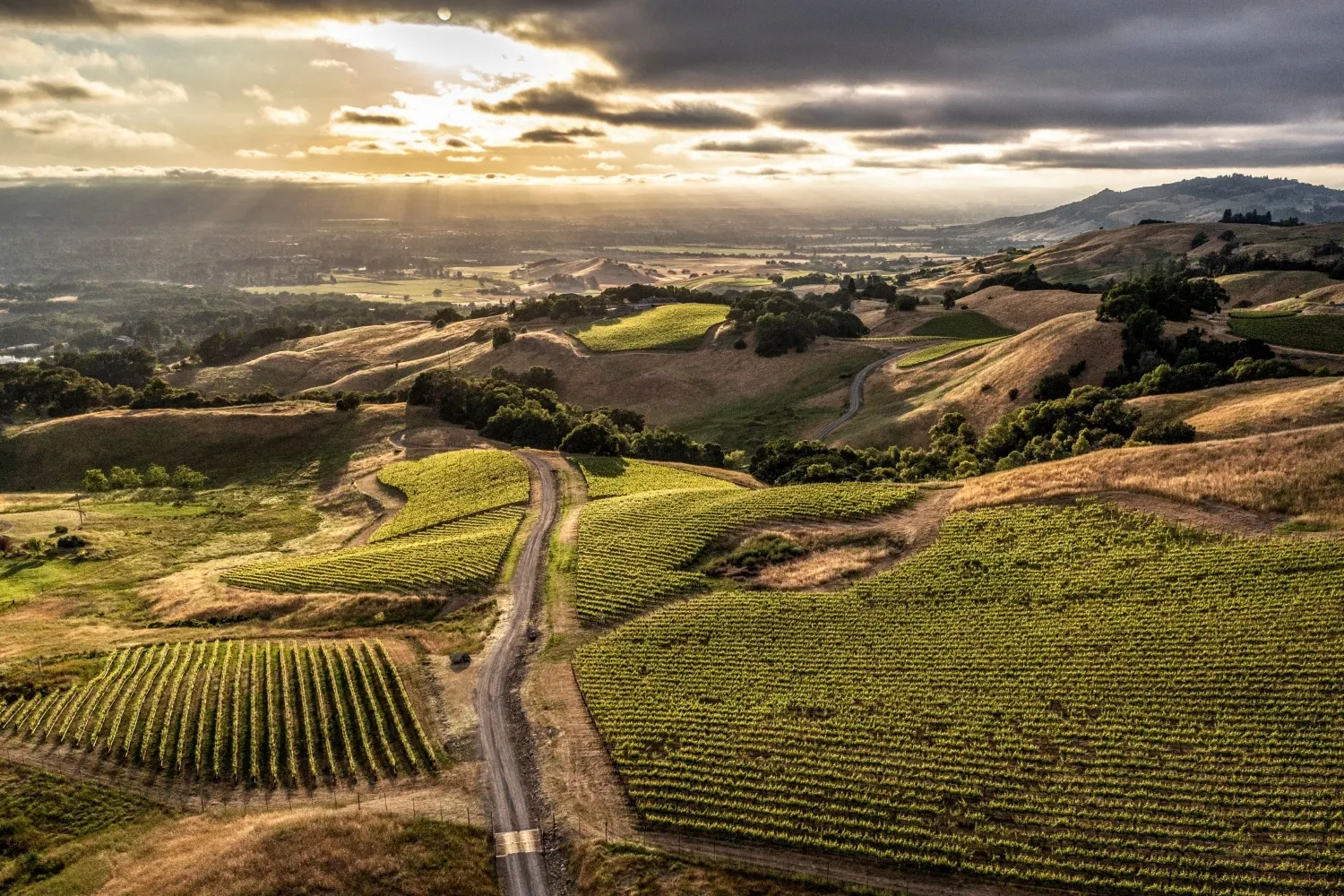
At MacRostie Winery and Vineyards, sustainability isn’t a marketing phrase; it’s a responsibility. From our estate vineyards in the Petaluma Gap to our coastal sites along the Sonoma Coast and in the Russian River Valley, we farm with a long-term vision: to leave our land healthier with every vintage.
What Makes a Winery Sustainable?
For us, sustainability means improving the vineyard ecosystem over time, not simply maintaining it. Rather than focusing only on reducing inputs, we practice regenerative agriculture, an approach centered on soil health, biodiversity, and long-term resilience.
Healthy soils support balanced vines. Balanced vines produce wines that express their site more clearly. That connection between farming and flavor defines our philosophy.
Regenerative Wine: Beyond Organic and Sustainable
Consumers often wonder about the difference between organic vs sustainable wine and now, regenerative wine.
- Organic farming focuses on eliminating synthetic chemicals.
- Sustainable farming varies by program and standards.
- Regenerative farming actively restores soil, increases biodiversity, and strengthens ecosystems year after year.
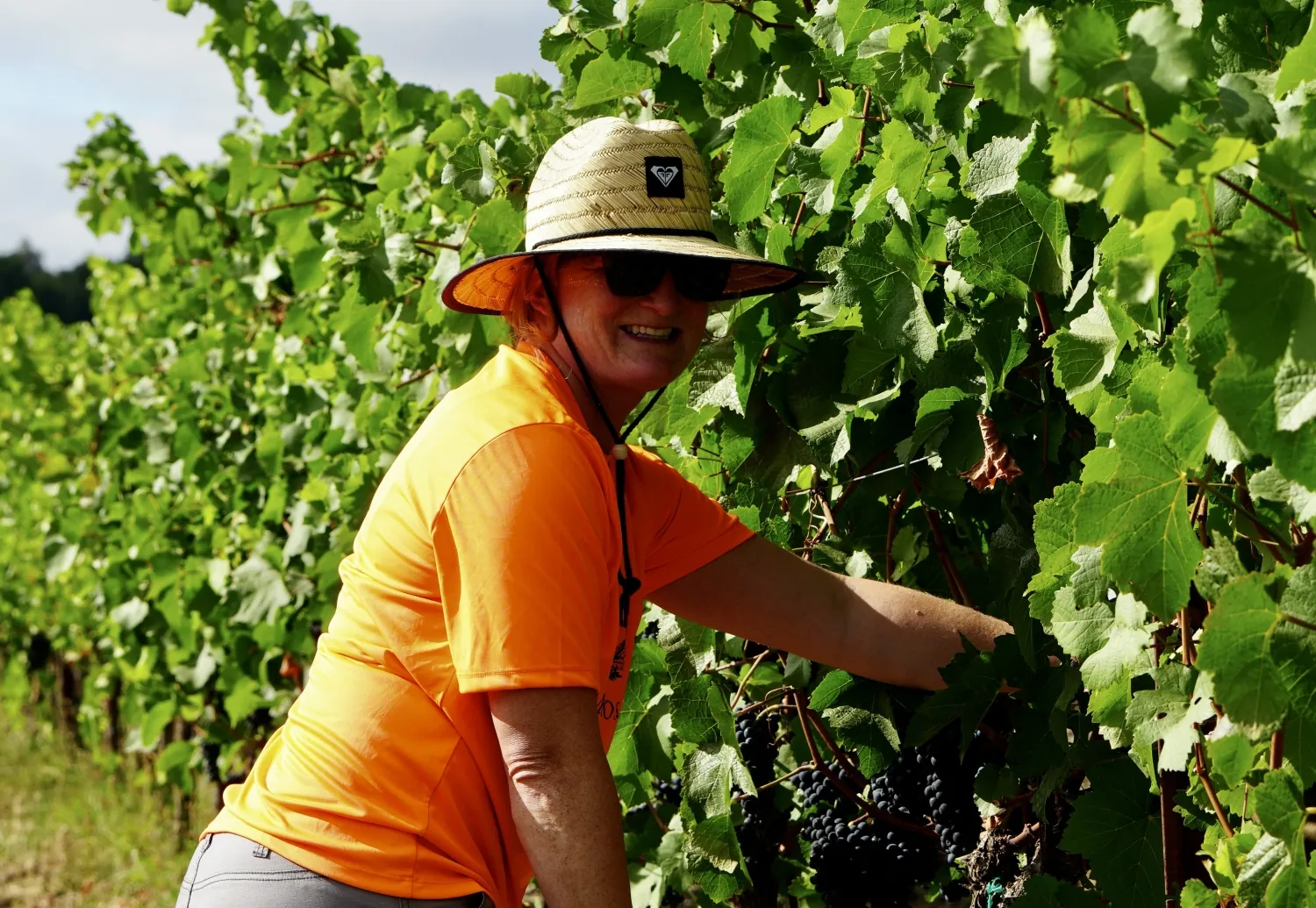
At MacRostie, regenerative practices include planting diverse cover crops, minimizing soil disturbance, composting vineyard materials, producing biochar from prunings, encouraging beneficial insects and birds, and using rotational sheep grazing to naturally manage vegetation.
These practices build soil organic matter, improve water retention, and reduce the need for synthetic fertilizers and herbicides.
Why Biodiversity Matters
A vineyard is far more than rows of vines – it is a living, interconnected ecosystem. At MacRostie, we actively cultivate biodiversity to help our vineyards thrive naturally and sustainably.
We plant native hedgerows and flowering insectary rows to support pollinators and beneficial insects that contribute to ecological balance. Owl and bluebird nesting boxes encourage natural predators that help manage gophers and vineyard pests without relying heavily on synthetic controls. During the growing season, carefully managed sheep grazing reduces the need for tractor passes, lowering diesel use while naturally managing vegetation.
Together, these practices create a healthier vineyard environment and reflect what Eco-Friendly Winemaking truly means: working with nature to build resilience, rather than relying solely on intervention.
Does Sustainable Wine Taste Different?
A common question is: Is sustainable wine actually better?
Sustainability alone doesn’t guarantee quality. But healthy vineyards consistently produce more balanced fruit. When vines grow in living soils with deep root systems and natural nutrient cycles, they ripen more evenly and require less intervention.
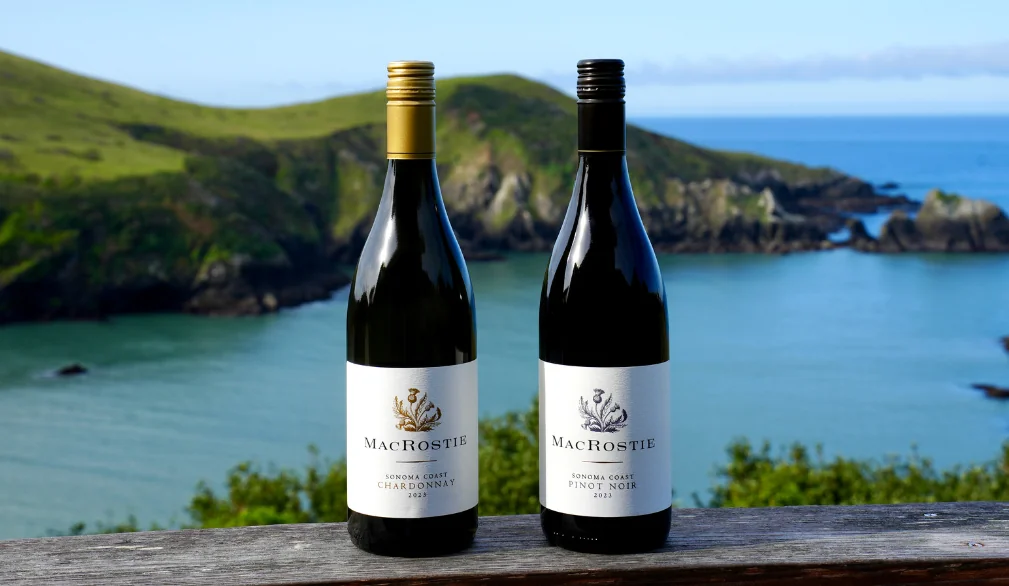
The result is wine that feels vibrant and expressive of place. Our Chardonnay captures coastal freshness and tension. Our Pinot Noir reflects nuance and vineyard character.
Sustainability enhances authenticity.
Sustainable Wine in California: A Long-Term Commitment
Sustainability in California winegrowing is evolving rapidly. Many wineries are moving beyond compliance-based programs toward regenerative practices that address soil carbon, water conservation, and biodiversity.
At MacRostie, this is not a short-term initiative. It is a multi-generational commitment to strengthening our vineyards with every season.
As one of the wineries advancing sustainable farming in Sonoma County, we believe producing Sustainable Sonoma Wines means investing in the land for decades — not just vintages.
Experience It for Yourself
If you’re visiting Sonoma County, we invite you to experience our vineyards and sustainably made wines firsthand.
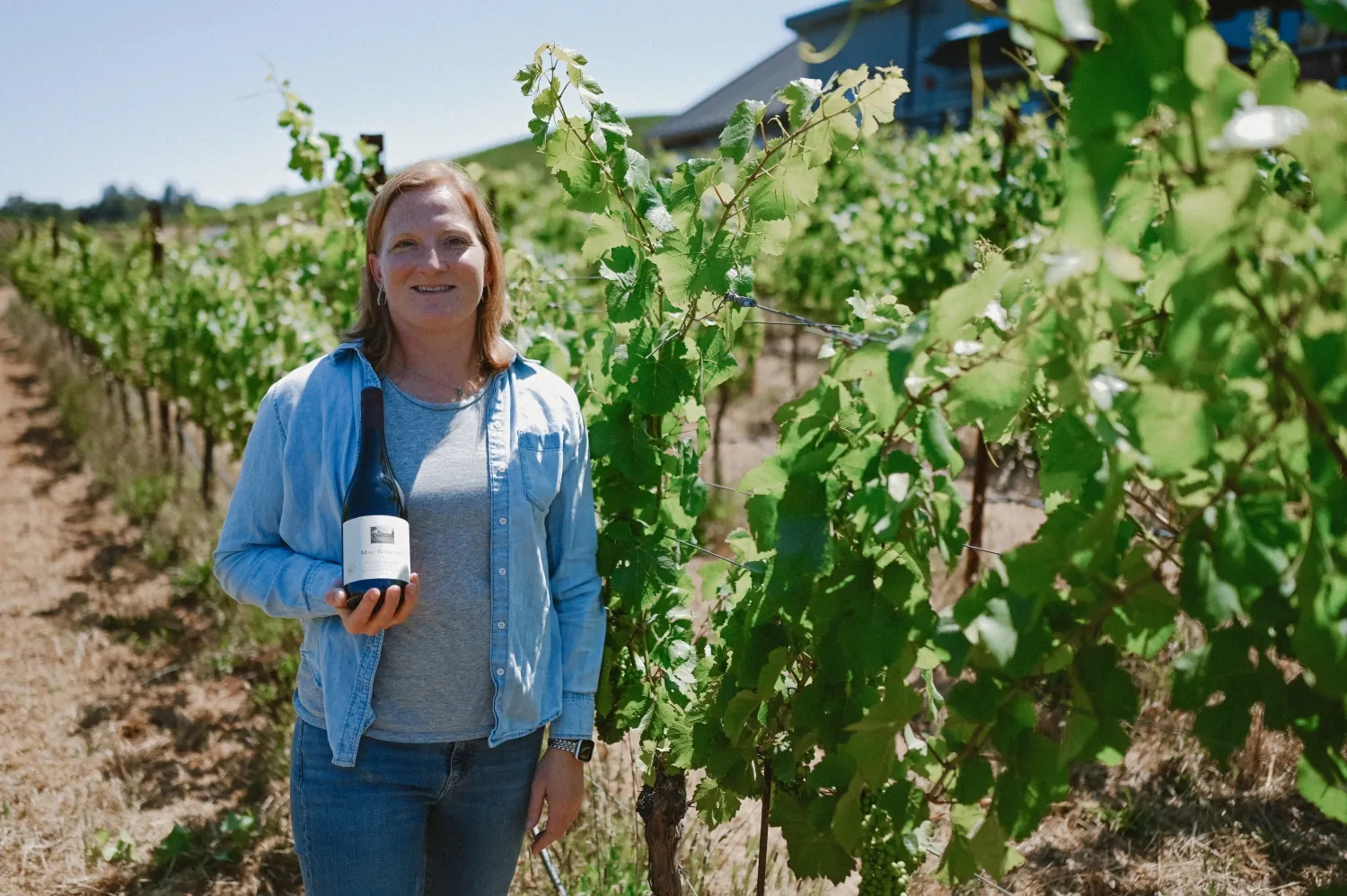
Taste how thoughtful farming translates into vibrant Chardonnay and Pinot Noir. Walk through vineyards where biodiversity thrives. See how regenerative agriculture shapes the wines in your glass.
Great wine begins with healthy land — and that’s something you can taste.
Interested in wines grown with intention?
Explore our current releases or join our Wine Club for access to limited-production Chardonnay and Pinot Noir crafted from our sustainably farmed vineyards.