The Perfect Holiday Party – The MacRostie Way! intro image
The Perfect Holiday Party – The MacRostie Way!
quotes
“Good company, good wine, good welcome can make good people.”
– William Shakespeare

The Perfect Holiday Party – The MacRostie Way!

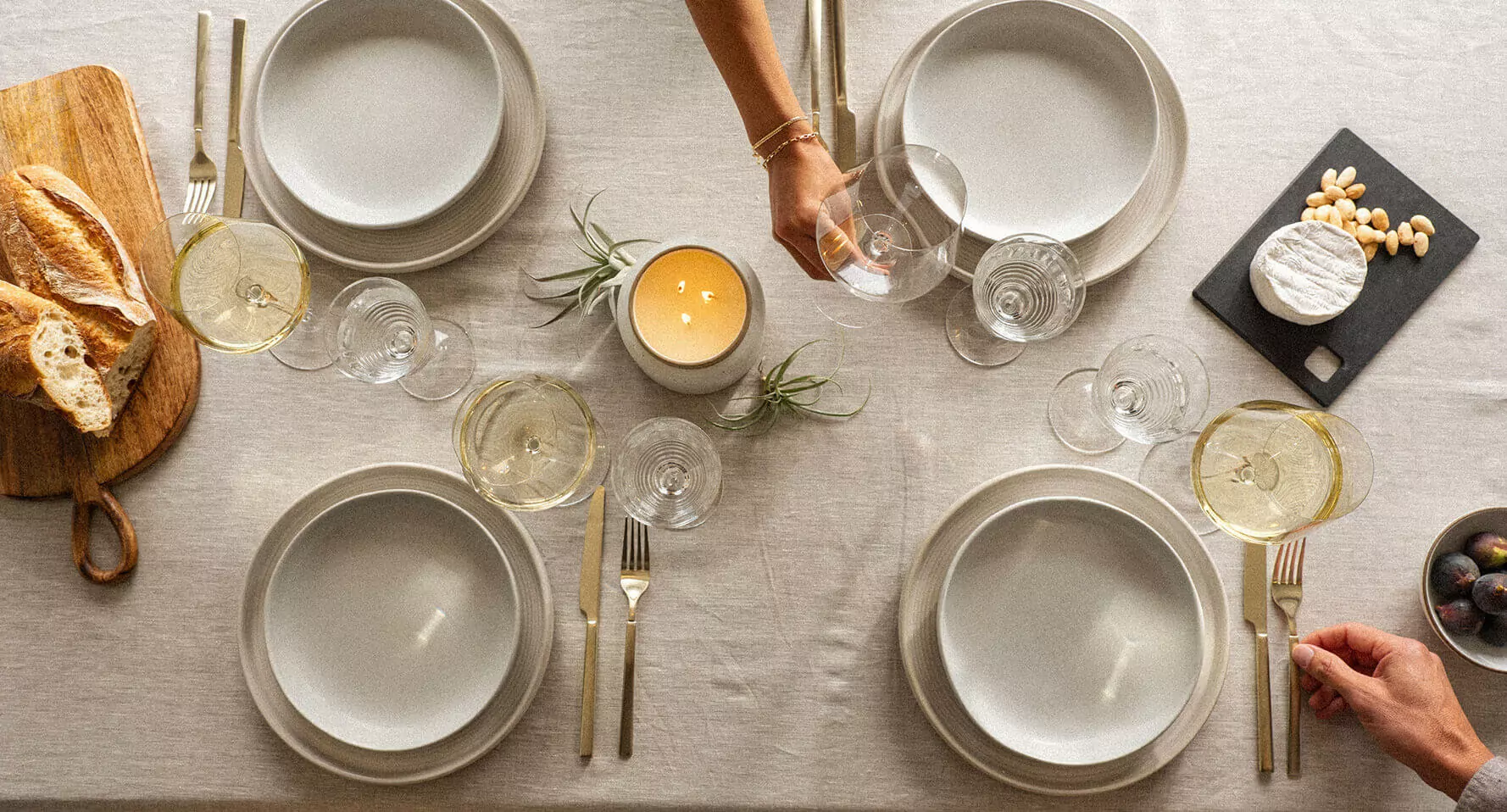
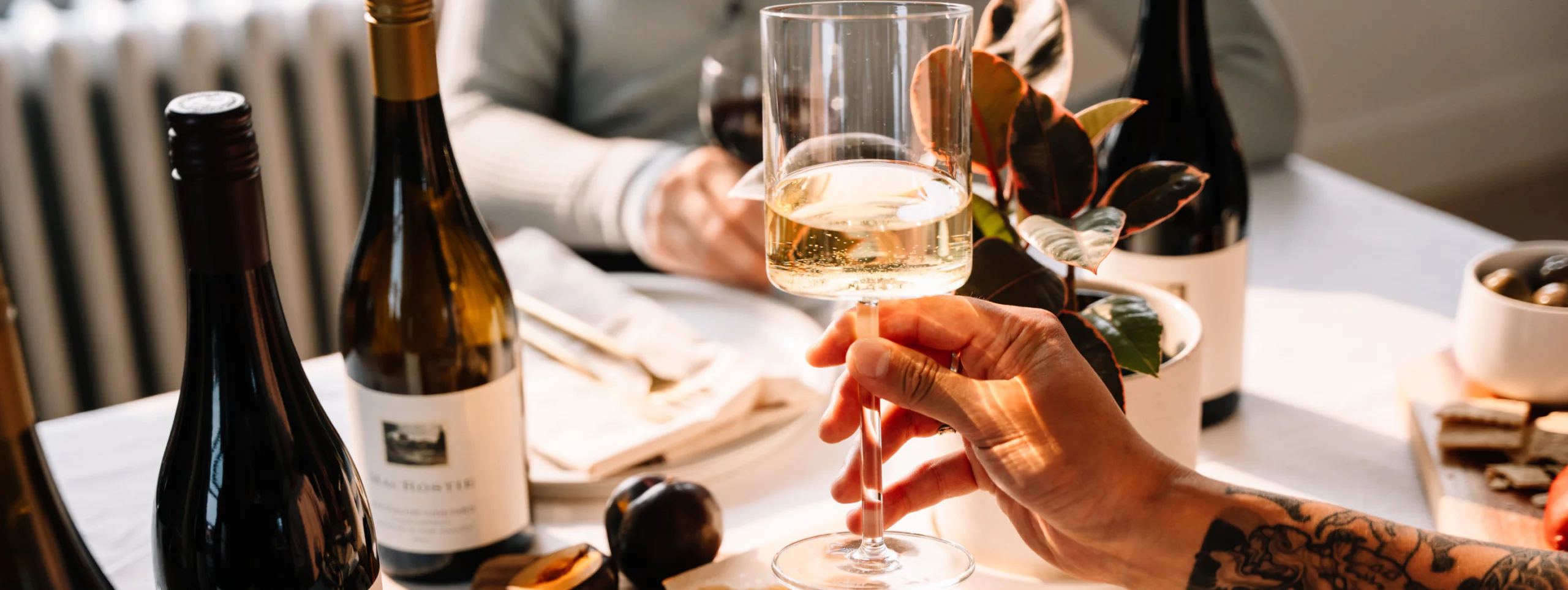
With the holidays upon us, it’s time to stock your cellar for gifting, family celebrations, and perhaps most important, festive holiday parties. In the words of noted French gourmand André Simon, “Wine makes every meal an occasion, every table more elegant, every day more civilized.” With this in mind, we’re here to provide you with some wisdom about how to make wine a memorable part of a flawless holiday gathering, with useful tips for any host or hostess.

How Much Wine Do You Need for a Party? 

Let’s start with some basics. A standard bottle of wine is 750 mL. That’s about 25 ounces. While most sources say that a standard pour is 5 pounces (meaning 5 glasses per bottle), when it comes to parties many people enjoy a slightly heavier pour (and they’ll appreciate you for it!). So, assume four glasses per bottle and you’re on the right track. Of course, some guests don’t drink (so stock up on non-alcoholic offerings), and some will opt for beer or spirits, but for the wine drinkers at your party, you can assume 1-2 glasses will be enjoyed in the first hour, with roughly a glass per hour after that. For a three-to-four-hour gathering, that’s approximately one bottle per guest, with an extra bottle for every four wine drinkers for every additional hour the party goes. And remember, unless you’re trying to usher your guests out the door, you don’t want to run out.

What Wine Should I Pour at My Party?

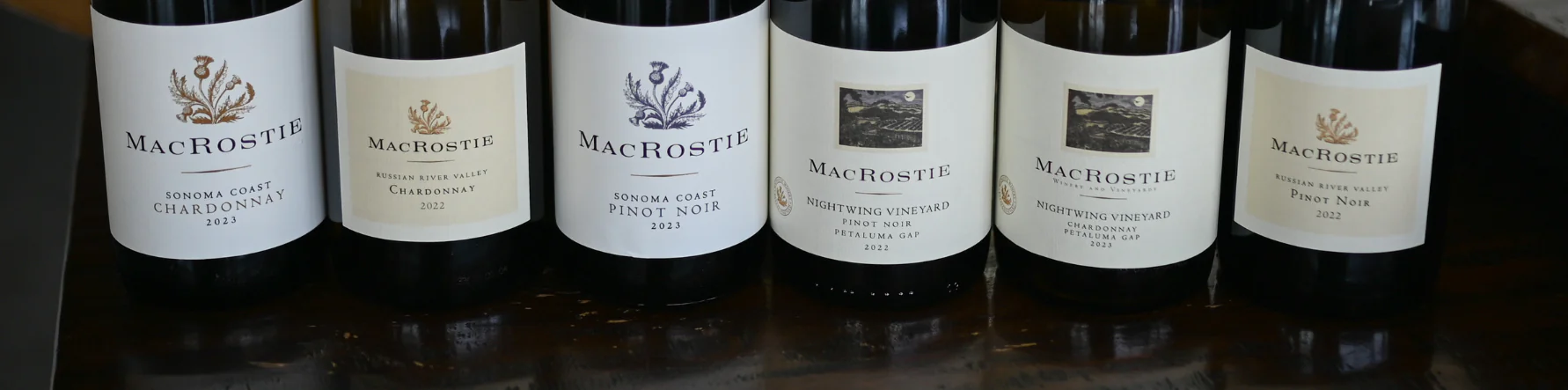
These days, people’s preferences for red or white wine are almost evenly split, so a good host should have ample amounts of both on hand. From there, it’s good to consider which grape varieties are most popular in the US. For white wine, Chardonnay and Sauvignon Blanc are your perfect go-to wines, with our MacRostie Sonoma Coast or single-vineyard bottlings providing a beautifully rich and expressive drinking experience, and our Clockwise Sauvignon Blanc is the ideal choice for those who like their whites zesty and vibrant. In the world of reds, Pinot Noir and Cabernet Sauvignon rule. For pairing with food, Pinot Noir is delicious, extremely versatile, and a little lighter on its feet—and we have a fantastic variety to choose from. For those who want a richer, more opulent red, our Clockwise Cabernet from Napa Valley’s famed Yountville AVA is sure to delight. For a party that’s truly joyous and bright, consider pouring a great sparkling wine like our Blanc de Blancs. We often greet our guests with a small glass of sparkling, and everyone loves it!

Magnificent Magnums

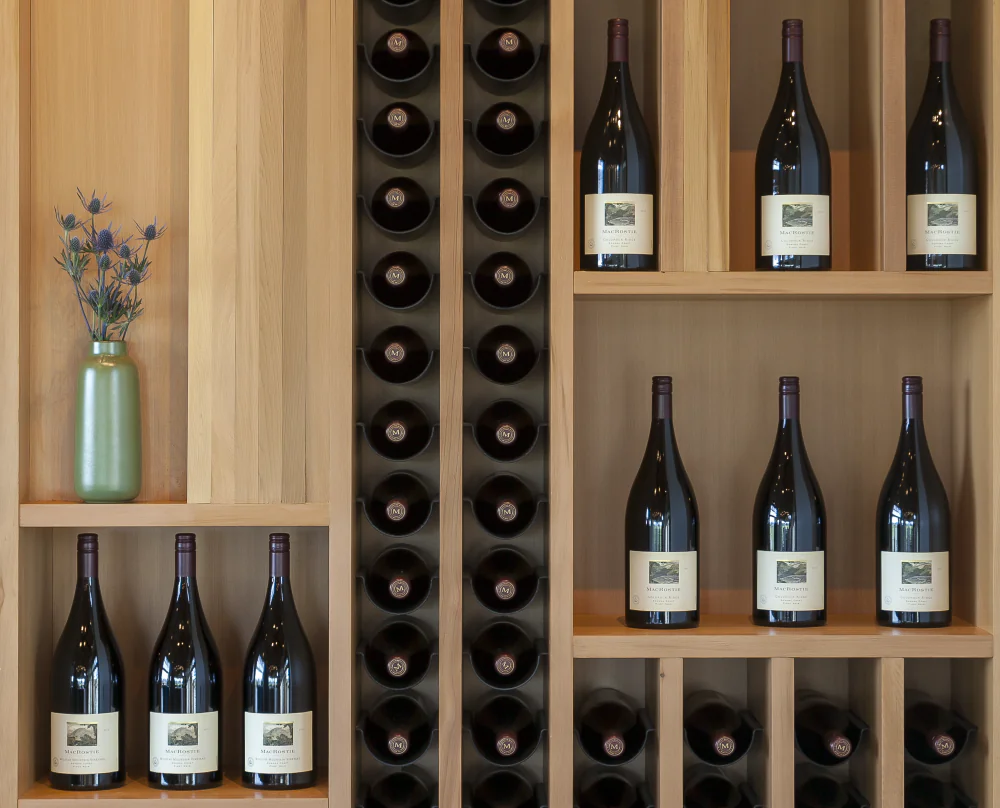
While a standard 750 mL bottle is great for most occasions, once the gatherings grow a little larger, and the celebrations more meaningful, it’s the ideal time to break out those large-format MacRostie wines from your collection. Epic, impressive, and profoundly age-worthy, when it comes to the size of a wine bottle, bigger is definitely better—and not just because there is more wine to pour. We bottle many of our most sought-after wines, including single-vineyard offerings, in various large formats, including Magnums (1.5L – 8 party pours) and Double Magnums (3L – 16 party pours). When served as a dramatic centerpiece on your holiday table, there is an inherent “Wow!” factor to large-format wines that never fails to impress. To make pouring from magnums a breeze, we recommend using a decanter, which is both elegant and easier.

Perfect Food Pairings

When it comes to pairing food and wine, the old rules aren’t as hard and fast as they used to be. Even so, there are some useful guidelines. For sparkling wine, the classics are oysters, caviar, and citrus-infused dishes, or for a more modern take, try fried chicken or crispy potato latkes. For Chardonnay, try mini-crab cakes, smoked salmon crostini, grilled shrimp, or mini-goat cheese tarts. When it comes to Pinot Noir there are so many choices, including patés, stuffed mushrooms, bacon-wrapped asparagus, tuna tartar, duck, risotto cakes, and artisan pizzas. If your goal is to create a true wine-pairing symphony for the senses, you can never go wrong with the three C’s: cheese, charcuterie, and chocolate! From hard and soft cheeses to smoked and salty charcuterie to creamy milk chocolate and decadent dark chocolate, the pairing possibilities are almost infinite!

Etiquette When Giving or Receiving Wine

Whether it’s a small dinner party or a festive gathering, when you bring a bottle of wine it should always be thought of as a gift for the host, and a way of saying thank you for the invitation. Because the host may have their own vision of the evening’s wines, etiquette says that while the host may pour your wine, it should not be an expectation. If you know that your host is a wine lover, you can always go the extra mile and bring two bottles, with a friendly aside to the recipient letting them know that, “this wine is for the party, and this one is something special for you!” As another option, if you wish to bring a special wine as a present to the host, let them know. “I love this wine, and I think you will as well. If you want to open it tonight, feel free, but if you wish to save it that’s great too.” The bottom line—once you give a bottle of wine, where and when it is served are out of your hands.

Party Essentials

One of the first rules of hosting a great party is not to run out of the essentials—especially wine! The same can be said of stemware. While one glass per person may get the job done, two glasses means less running to the kitchen to wash dishes. It also means that guests can switch between wines with fresh stemware. It is also a good idea to have decanters on hand, champagne stoppers, wine markers or charms to stop glassware mix-ups, an elegant ice-filled bucket for displaying your wines and keeping them cool, towels and polishing clothes, and some wine-away for any unexpected spills. All of the above, including glassware rentals, can be found at most party and event supply stores.
Summer Wine Pairings intro image
Summer Wine Pairings
What to Pour with Warm-Weather Meals

When summer arrives, the wines people reach for tend to be bright, refreshing, and easy to enjoy. Crisp whites, vibrant rosés, and lighter-bodied reds dominate warm-weather tables – and for good reason. They pair naturally with the fresh, colorful dishes that define the season: seafood, grilled vegetables, summer salads, herb-driven pastas, roast chicken, and anything shared outside with friends.

The general rule when pairing wine with summer food is to match the weight and intensity of the wine to the dish. Delicate salads and fresh seafood call for something with bright acidity and lightness. Richer dishes – grilled salmon, roast chicken, corn risotto – can handle a more textured Chardonnay. For grilled meats or anything with smoky, earthy flavors, a cool-climate Pinot Noir is a natural fit, especially served slightly chilled. Summer pairings don’t need to be complicated. The goal is balance, freshness, and relaxed enjoyment.

At MacRostie Winery & Vineyards, our Sonoma Coast wines are made for exactly this kind of cooking. Here are four pairings to inspire your summer table.

2025 Rosé of Pinot Noir – Salads, Seafood & Picnic Fare

Rosé is the most instinctive answer to “what wine should I drink for summer?” The 2025 MacRostie Rosé of Pinot Noir brings the bright, delicate character of Pinot Noir in a crisp, warm-weather style that works across a wide range of dishes. Its gentle red-fruit character plays well with both sweet and savory flavors, making it one of the most versatile options at the summer table.

Enjoy it with a watermelon and feta salad, a tomato and burrata platter, or a peach and arugula salad with toasted almonds. For seafood, it’s a natural match for shrimp cocktail, crab cakes, grilled prawns, or salmon with a citrus-herb salsa. It’s also the perfect bottle for a picnic board – try it alongside prosciutto, fresh goat cheese, marinated olives, seasonal fruit, and grilled flatbread. Enough character for salty, savory bites; light enough for a warm afternoon.

Try it with: Grilled shrimp skewers, watermelon-feta salad, and a fresh herb vinaigrette.

2025 MacRostie Sauvignon Blanc – Vegetables, Goat Cheese & Herbs

If your summer menu leans toward fresh herbs, bright citrus, or green vegetables, reach for the 2025 MacRostie Sauvignon Blanc from Russian River Valley. Crisp, aromatic, and naturally refreshing, this is the wine for dishes that can be tricky to pair – asparagus, artichokes, snap peas, zucchini, and leafy salads all come alive alongside it.

Sauvignon Blanc’s bright acidity works especially well when a dish includes lemon, vinaigrette, or soft cheese. Try a goat cheese and summer vegetable tart, grilled asparagus with lemon aioli, or a farmers market salad with avocado and toasted seeds. It’s also a classic match for seafood – oysters, ceviche, grilled halibut, fish tacos, or scallops with citrus butter. At a summer wine dinner, it makes an ideal first pour: it wakes up the palate without weighing it down.

Try it with: Fish tacos, lime crema, cabbage slaw, and fresh cilantro.

2023 Nightwing Vineyard Chardonnay – Chicken, Corn & Creamy Dishes

Not all summer meals are light – and that’s where Chardonnay earns its place. The 2023 Nightwing Vineyard Chardonnay brings the depth and elegance Sonoma Coast Chardonnay is known for, with cool-climate acidity that keeps even richer pairings feeling fresh rather than heavy.

This is the wine to serve when the menu includes grilled chicken, roasted corn, creamy pastas, or richer seafood. Its texture complements buttery flavors beautifully – think grilled chicken with lemon and herbs, corn risotto, lobster rolls, or seared scallops with a light beurre blanc. It’s also lovely with dishes that pair summer produce with a touch of richness: sweet corn ravioli, zucchini and ricotta galette, grilled peaches with burrata, or a crab salad with avocado and citrus.

Try it with: Grilled chicken, summer corn salad, fresh basil, and a light lemon dressing.

2023 Day Ranch Pinot Noir — Salmon, Mushrooms & Summer Barbecue

Red wine absolutely has a place at the summer table. Lighter and more elegant than most full-bodied reds, Pinot Noir bridges the gap between warm-weather freshness and the savory, smoky flavors that come off a summer grill. The 2023 Day Ranch Pinot Noir from Anderson Valley brings finesse to summer meals that call for a red with real character.

Grilled salmon is one of the best summer pairings for Pinot Noir – the wine’s red-fruit notes and gentle tannins complement the richness of the fish while its acidity keeps things bright. It’s also excellent with mushrooms (grilled portobello burgers, mushroom flatbread, or summer vegetable pizza with roasted tomatoes and thyme) and lighter barbecue fare like pork tenderloin, chicken thighs, or sausages with fruit-based sauces.

Summer tip: Serve Pinot Noir slightly chilled. About 20 to 30 minutes in the refrigerator before pouring makes it noticeably more refreshing on a warm evening.

Try it with: Grilled salmon, roasted cherry tomatoes, and herb-marinated mushrooms.

Summer Wine Pairing FAQs

What wine should I drink for summer?

Sauvignon Blanc, Rosé of Pinot Noir, cool-climate Chardonnay, and lighter-bodied Pinot Noir are all excellent choices – bright, food-friendly, and made for warm-weather meals.

What’s the best wine for a summer dinner party?

Offer a progression: start with Sauvignon Blanc or Rosé for appetizers, move to Chardonnay with grilled chicken or seafood, and finish with Pinot Noir – served slightly chilled – alongside salmon, mushrooms, or grilled meats.

What wines pair best with summer seafood?

Sauvignon Blanc is ideal with oysters, ceviche, and fish tacos. Rosé of Pinot Noir pairs beautifully with shrimp, crab, and salmon. Chardonnay works with richer seafood like lobster, scallops, or crab salad.

Can you drink red wine in summer?

Yes. Pinot Noir is one of the best red wines for summer because it’s lighter, elegant, and versatile with food. Serve it slightly chilled for best results.

Visit MacRostie This Summer

Whether you’re looking for Sonoma Coast wines to enjoy at home or planning a visit to wine country, MacRostie’s cool-climate lineup is built for summer. Our new Sips of Summer tasting celebrates the season with our favorite summer wines paired with a curated picnic spread. Plan your visit to MacRostie, savor the Sips of Summer tasting, and stock up on the wines you love so you’re ready for your next summer dinner party.

How Long Should You Age Wine? intro image
How Long Should You Age Wine?
Storage Tips for Every Collector

Whether you’re starting a wine collection or refining how you care for bottles you already love, knowing how to store wine properly is essential. The right storage conditions protect flavor, aroma, and structure—especially for wines designed to age, like age-worthy Pinot Noir and Chardonnay.

This guide is designed for both new collectors and experienced wine lovers looking to refine their wine storage and aging habits.

This comprehensive guide to storing wine answers the most common questions wine lovers ask online: Where should I store wine? What is the ideal wine cellar temperature? How long should I age wine before opening it? With a few practical adjustments, you can dramatically improve how your wines evolve over time.

Why Wine Storage Matters More Than Most People Realize

Wine is alive. From the moment it’s bottled, it continues to change in response to its environment. Poor storage can flatten flavors, dry out corks, or prematurely age wine—sometimes beyond recovery.

One of the most common mistakes is storing wine in the kitchen. While convenient, kitchens expose bottles to fluctuating temperatures, bright light, and vibration. Even wines meant to be enjoyed young benefit from thoughtful storage.

Understanding how to best store wine helps ensure every bottle reflects the craftsmanship behind it.

Wine Cellar Temperature: The Foundation of Proper Storage

When people search “temperature for storing wine,” they’re often surprised by the answer.

  • Ideal wine cellar temperature: ~55°F
  • Acceptable range: 45–60°F
  • Avoid: Rapid temperature swings over 5–10 degrees

Temperature controls the pace of aging. Cooler conditions slow chemical reactions, allowing aromas and textures to integrate gradually. Excess heat accelerates aging and can cause corks to fail, leading to oxidation.

Consistency matters more than hitting an exact number, particularly for expressive wines like Sonoma Coast Pinot Noir, Russian River Valley Pinot Noir, and Russian River Valley Chardonnay.

Light, Humidity, and Vibration: Key Wine Cellar Tips

While temperature is most important, these factors also influence longevity.

Light
Direct sunlight and fluorescent bulbs can alter a wine’s aroma, flavor, and clarity. Dark storage is always best.

Humidity
Ideal humidity: 65–70%
Dry air can shrink corks, allowing oxygen into the bottle. Excess humidity can damage labels or encourage mold. A hygrometer is an inexpensive way to monitor conditions.

Vibration
Wine benefits from stillness. Continuous movement disrupts sediment and interferes with natural aging. Avoid storing wine near appliances or high-traffic areas.

Where to Store Wine at Home (Without a Cellar)

If you don’t have a traditional cellar, you’re not alone. Good options include:

  • Interior-facing closets
  • Basements away from heat sources
  • Wine refrigerators for consistent control

Store bottles horizontally so the cork stays moist. Keep labels facing up to reduce handling and disturbance.

Even without a dedicated wine cellar, proper wine storage is absolutely possible in apartments and smaller homes.

If no suitable space exists, it’s better to enjoy wines sooner rather than risk poor storage, especially for bottles crafted for near-term enjoyment, like MacRostie’s Sonoma Coast Chardonnay.

How to Age Wine: Understanding Drinking Windows

Aging wine isn’t about saving bottles indefinitely—it’s about opening them at their peak. Not all wines are meant for long-term aging, and even cellar-worthy wines have optimal drinking windows.

At MacRostie Winery, balance, acidity, and site expression are central to winemaking—principles established by founder Steve MacRostie and carried forward today by Winemaker Heidi Bridenhagen. These qualities support graceful aging across MacRostie’s portfolio.

Aging Guidelines for MacRostie Wines

  • Sonoma Coast Chardonnay: Best within 2–3 years; drink through 5
  • Sonoma Coast Pinot Noir: Enjoy within 3–5 years
  • Single-vineyard Chardonnays: 8–10 years
  • Single-vineyard Pinot Noir: 8–12 years
  • The Key Chardonnay: Up to 10 years
  • The Loch Pinot Noir: Up to 15 years

Wines with higher natural acidity and thoughtful oak integration—like MacRostie’s single-vineyard Pinot Noirs—tend to age most successfully.

What Happens as Wine Ages?

As wine matures, primary fruit flavors soften and give way to complexity.

  • Chardonnay may develop deeper color and notes of honey, caramel, and toasted nuts.
  • Pinot Noir often evolves from fresh red fruit to layered plum, spice, forest floor, and savory earth.

Oak influence integrates over time, adding texture and depth rather than dominance.

A Final Wine Storage Tip: Don’t Wait Forever

One of the most common regrets among collectors is waiting too long. Wine is meant to be shared, and every bottle has a peak moment.

Whether you’re visiting a Healdsburg winery, exploring Sonoma Coast wines, or building a home collection, proper storage ensures each bottle tells its full story—right when you open it.