A Note on This Guide: We first published our Healdsburg restaurant recommendations a while back, and a lot can change in wine country. We’ve revisited every pick, refreshed our thoughts, and added a few new favorites to reflect what’s exciting right now. You can find our original guide here — but if you want the most current recommendations, you’re in the right place. Welcome to the 2026 edition.
Where to Eat in Healdsburg + Why This Sonoma Town Is Worth Visiting
If you’re planning a Sonoma wine country trip, one question always comes up: is Healdsburg worth visiting? The short answer is yes. And once you’ve spent a day here, it’s hard to imagine skipping it.
Tucked into the heart of Sonoma County, just minutes from the MacRostie Winery and Vineyards Estate House, Healdsburg offers a rare combination of world-class wine, exceptional dining, and an effortlessly relaxed atmosphere. It’s the kind of place where you can spend the morning wine tasting, the afternoon strolling the plaza, and the evening enjoying one of the best restaurants in Healdsburg.
Whether you’re visiting for a weekend or building a longer wine country itinerary, this dining guide will help you decide exactly where to eat in Healdsburg, especially after wine tasting at MacRostie.
Why Healdsburg Is Worth Visiting
Healdsburg may be small, but it punches far above its weight when it comes to food, wine, and overall experience. Downtown is walkable and centered around a charming tree-lined plaza. You’re within easy reach of three major wine appellations – Russian River Valley, Dry Creek Valley, and Alexander Valley – and the restaurant scene has earned the town a genuine reputation as a foodie destination, not just a wine stop.
Many visitors searching for what to do in Healdsburg quickly realize that the town revolves around two things: incredible wine and equally memorable meals. After a tasting at MacRostie, known for elegant Sonoma Coast Chardonnay and Pinot Noir, heading into town for dinner is the natural next step.
Where to Eat in Healdsburg: MacRostie’s Favorite Restaurants
This curated list blends longtime local favorites with standout dining destinations, perfect for anyone building their own Healdsburg restaurants guide.
If you’re planning a truly special occasion, SingleThread belongs on your radar. This three-Michelin-starred restaurant from Chef Kyle Connaughton and his wife Katina (who runs their nearby farm) offers a seasonal 10-course tasting menu that blends Japanese and Californian cuisine into something genuinely unforgettable. It’s one of the most acclaimed restaurants in California, full stop, and draws diners from across the country specifically to eat here. Reservations open months in advance and go fast, so plan well ahead. If a once-in-a-lifetime dinner is on the itinerary, this is the one.
A must for anyone exploring Healdsburg restaurants, Valette is a Michelin-recognized spot where Chef-Owner Dustin Valette creates contemporary American cuisine with French influences – and the building itself has a great backstory: it sits on the site where Dustin’s great-grandfather Honoré operated a French bakery in the early 1900s.
The menu changes weekly to showcase what’s coming out of the kitchen’s estate garden just steps away, and the 5-course tasting menu is the move if you want the full experience. If you’re wondering where to eat in Healdsburg after wine tasting and want something elevated and memorable, this is it. Book ahead – reservations can require planning weeks to months in advance, especially in summer and on weekends.
Located inside Hotel Healdsburg, Dry Creek Kitchen is a Healdsburg classic – a refined, seasonal restaurant with an impressive wine list that’s exclusively Sonoma, meaning every pour on the menu comes from the county you’re actually sitting in. It’s the kind of place that feels right for a long, relaxed dinner where the wine list is as much a part of the experience as the food. Swing by on a weeknight for special prix-fixe menus and a more relaxed, locals-leaning vibe.
For something lively and shareable, Bravas is the answer. This Spanish tapas spot from James Beard finalists Mark and Terri Stark has been named one of the top 20 tapas restaurants in the U.S. by Travel + Leisure, and it’s consistently one of the most beloved restaurants in Healdsburg. Order a mix of small plates – the patatas bravas, the paella, the bacon-wrapped dates – and settle into the patio. It’s an ideal stop for relaxed Healdsburg food options that still feel special, and it’s open daily from 11:30am, making it one of the most flexible options on this list.
Located right on the plaza, The Matheson is one of the most dynamic dining experiences in Sonoma County. Also helmed by Chef Dustin Valette, it’s a Wine Spectator Award of Excellence restaurant featuring multiple experiences under one roof – from the main dining room to a Wine Wall with 88 rotating selections by the glass. If your group can’t agree on a vibe, this solves it: you can dine upstairs at the casual Roof 106 rooftop bar with wood-fired small plates and fire pits, or sit down for a full modern wine country dinner downstairs. Either way, it’s a Healdsburg experience worth building an evening around.
Barndiva is one of Healdsburg’s most beloved spots – and one of its most beautiful. The garden patio is gorgeous, and the menu leans into creative American cooking with a twist, from raw scallop tartare to a must-try Paris-Brest for dessert. There’s also a connected art gallery packed with local work that reflects Healdsburg’s creative side – a great reminder that this town is about more than wine. Reservations are recommended, especially for patio seating on a warm evening.
A local gem with a fiercely loyal following, Guiso brings bold Latin American flavors rooted in the cooking of El Salvador, and it’s been on a roll lately. Chef Carlos Mojica was named Best Chef of Healdsburg in 2025, and the restaurant was included on OpenTable’s 100 Best Restaurants in America that same year. The restaurant officially rebranded in 2026 from “Guiso Latin Fusion” to simply “Guiso,” reflecting an evolved culinary vision – though the family warmth and exceptional food are very much intact. It’s a great choice when you’re craving something vibrant and different after a day of wine tasting, but reserve ahead: the restaurant is small and intimate, and reservations are strongly recommended.
For something completely different before a day of wine tasting, The Parish Cafe is a genuine Healdsburg gem. This New Orleans-inspired spot is known for its pillowy fried beignets dusted in powdered sugar paired with chicory coffee, alongside heartier options like a breakfast po’boy and shrimp and grits. There’s nothing else quite like it in Healdsburg’s food scene, and it’s the kind of discovery that makes people feel like they found something the guidebooks missed, even when it’s actually well-loved by locals and visitors alike.
If your group is craving something more casual after a morning of wine tasting, KINSmoke delivers in a big way. This pitmaster-driven BBQ spot near the town center slow-smokes brisket for 14 hours over oak and incorporates local wine grape must into house-made sausages, a detail that feels very Healdsburg. It’s an unpretentious, picnic-table kind of place where the food does all the talking, and it rounds out the Healdsburg food options nicely for anyone who wants a break from elevated wine country dining. Order ahead by phone on weekends to skip the line, the burnt ends sell out fast when available.
Right on the plaza, Gallina D’oro is Healdsburg’s most charming casual option. The menu celebrates two beloved ingredients – chicken and the egg – rooted in farm-to-table principles with a Mexican-inspired flair. Think birria tacos, housemade salsas, and creative margaritas (guests rave about the off-menu cucumber margarita). It’s warm, family-friendly, and open for lunch and dinner most days – an easy, satisfying stop before or after wine tasting when you want something unpretentious and delicious.
Where to Eat in Healdsburg After Wine Tasting
After a visit to MacRostie, your palate is already tuned into balance, texture, and flavor — so choosing the right restaurant matters. Here’s a quick guide:
- For a once-in-a-lifetime dinner → SingleThread
- For a special occasion dinner → Valette
- For classic wine country dining → Dry Creek Kitchen
- For casual, social tapas → Bravas
- For a modern, multi-experience evening → The Matheson
- For a gorgeous garden patio → Barndiva
- For bold, chef-driven Latin flavors → Guiso
- For New Orleans-style breakfast or lunch → The Parish Cafe
- For slow-smoked BBQ → KINSmoke
- For a relaxed, anytime meal → Gallina D’oro
This variety is exactly what makes Healdsburg such a compelling destination for food lovers.
Plan Your Healdsburg Visit with MacRostie
A trip to Healdsburg isn’t complete without a stop at MacRostie Winery and Vineyards. Perched above the Russian River Valley, the Estate House offers sweeping vineyard views and a tasting experience designed to highlight the elegance of Sonoma Coast wines. Pair that with a reservation at one of the best restaurants in Healdsburg, and you have the kind of wine country day people come back to recreate every year.
Final Thoughts: The Ultimate Healdsburg Food & Wine Experience
So, is Healdsburg worth visiting? Absolutely! Especially if you care about food and wine. With its walkable plaza, world-class wineries, and a dining scene that genuinely punches at the highest level, Healdsburg has earned its place as one of California’s top destinations.
If you’re planning your next trip and searching for where to eat in Healdsburg, start with MacRostie, and build your day from there.
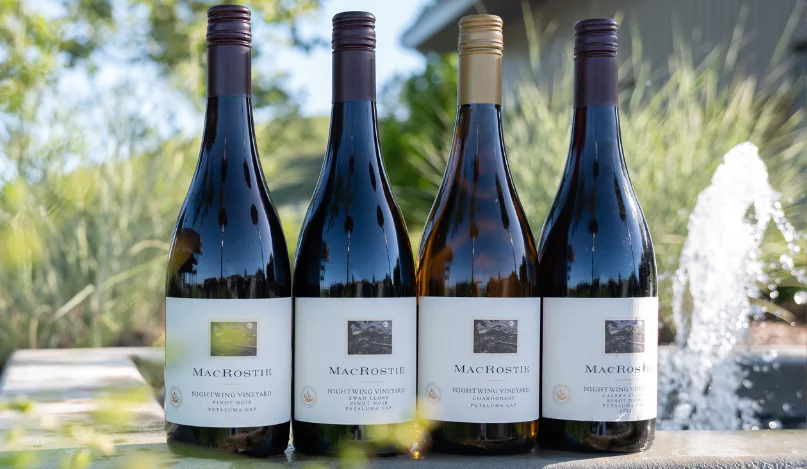

 find near you


 find near you