find near you


 find near you
As we brought in our final grapes of the season on October 10th, I took a moment to reflect on how far MacRostie has come and how much I’ve learned over the years. 2025 marks my fifteenth harvest at MacRostie, and my 13th vintage as winemaker. Each season is unique, and 2025 was one of patience, collaboration, and beautiful balance, offering a true reminder of why I love what I do.
A Calm, Balanced Start
The year began with average rainfall and healthy cover crops. While frost was a brief concern, our team and the growers we work with are among the best in the business and we came out of an early season cold snap unscathed. Across our vineyards in the Sonoma Coast and the Russian River Valley, the vines looked vibrant and full of promise. A cool spring delayed bud break slightly and stretched bloom over several weeks, creating wide variation from vineyard to vineyard, one of the qualities that makes this region so fascinating. At our Thale’s Vineyard, bloom began in early May, while at Nightwing Vineyard, Chardonnay bloomed much later. Even with some high mildew pressure in July, our expert growers, including the Duttons, Sangiacomos, and Bacigalupis, worked their magic and kept the vines healthy and thriving.
Summer Heat and Perfect Timing
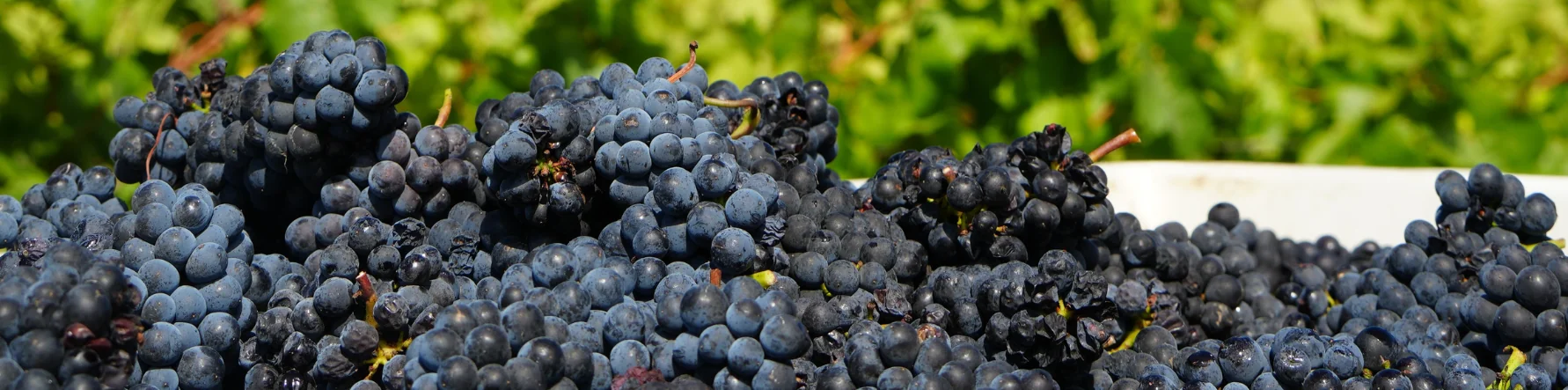
 By early August, we were tracking two to four weeks behind schedule. Warm weather over Labor Day weekend helped ripening accelerate, followed by a gentle cool-down that set the stage for an ideal harvest. Our first Pinot Noir pick came from Thale’s Vineyard on September 5th, and our last Pinot came from Dutton family’s Manzana Vineyard on October 6th. For Chardonnay, we started with Bacigalupi Vineyard on September 16th and finished with our Nightwing Estate and Dutton Jewell Ranch on October 10th.
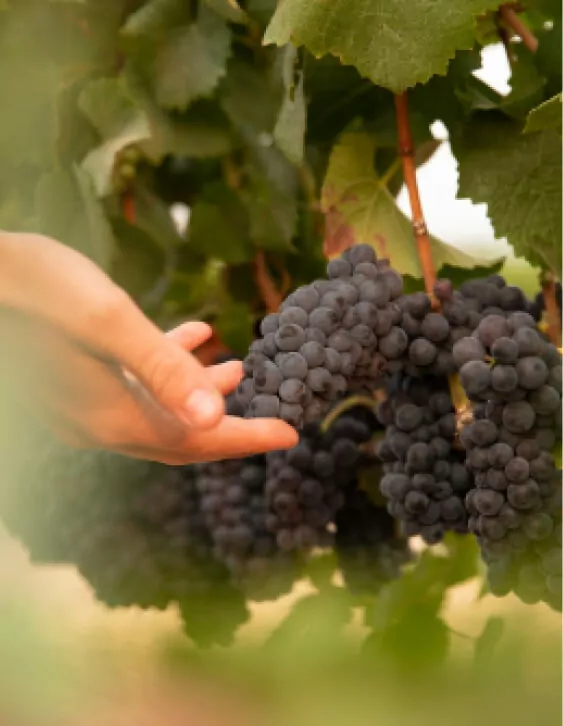
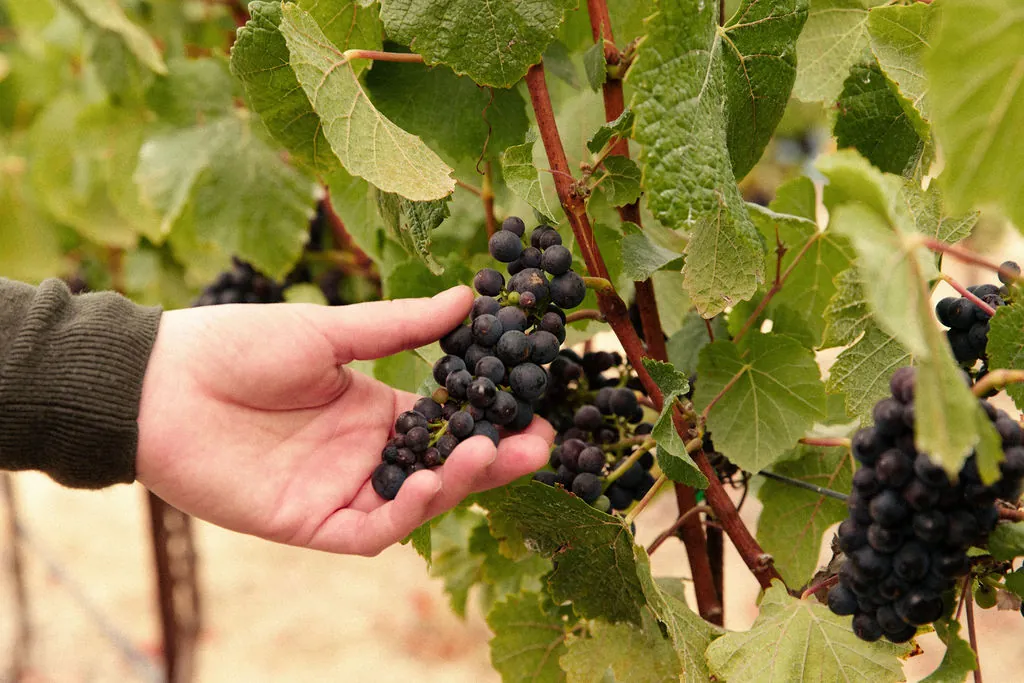
Overall, yields were up about 10% for Chardonnay, while Pinot Noir came in right on average. The fruit was exceptional, offering juicy, vibrant berries with pure flavor expression and no dehydration. The Pinot Noirs show the complete spectrum of deep red, blue, and black fruit tones with solid color and concentration, while the Chardonnays are radiant, fruit-forward, and elegantly structured.
Vineyard Highlights
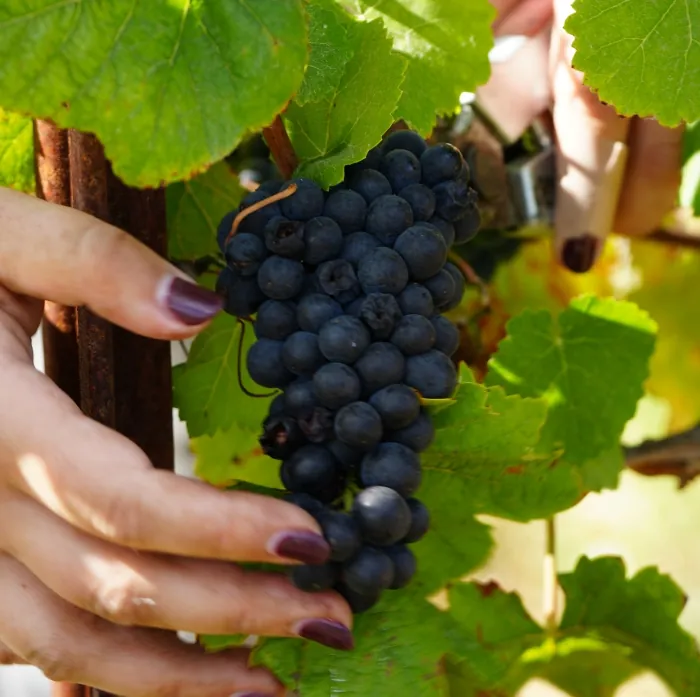 At Nightwing Vineyard, years of close observation are paying off. We’ve learned how each clone and block behaves and have fine-tuned our approach to pruning, canopy management, and harvest timing accordingly for each. As a result, the consistency and quality from Nightwing continue to impress. At Thale’s Vineyard, we’ve advanced our canopy coverage experiments to adapt to its warmer location. By using shade cloth, nutrient adjustments, and even natural clay applications (a kind of sunscreen for grapes), we’re protecting fruit freshness during heat events — an exciting evolution in our farming approach.
Teamwork and Innovation
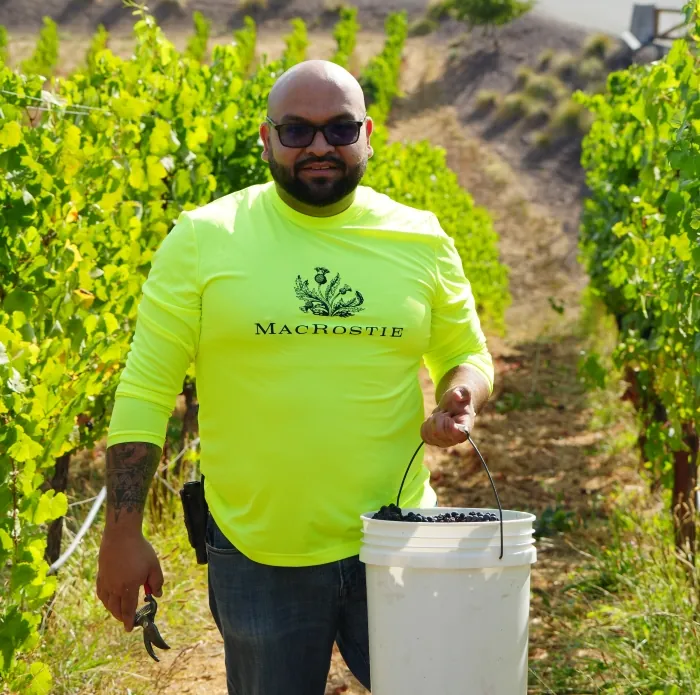
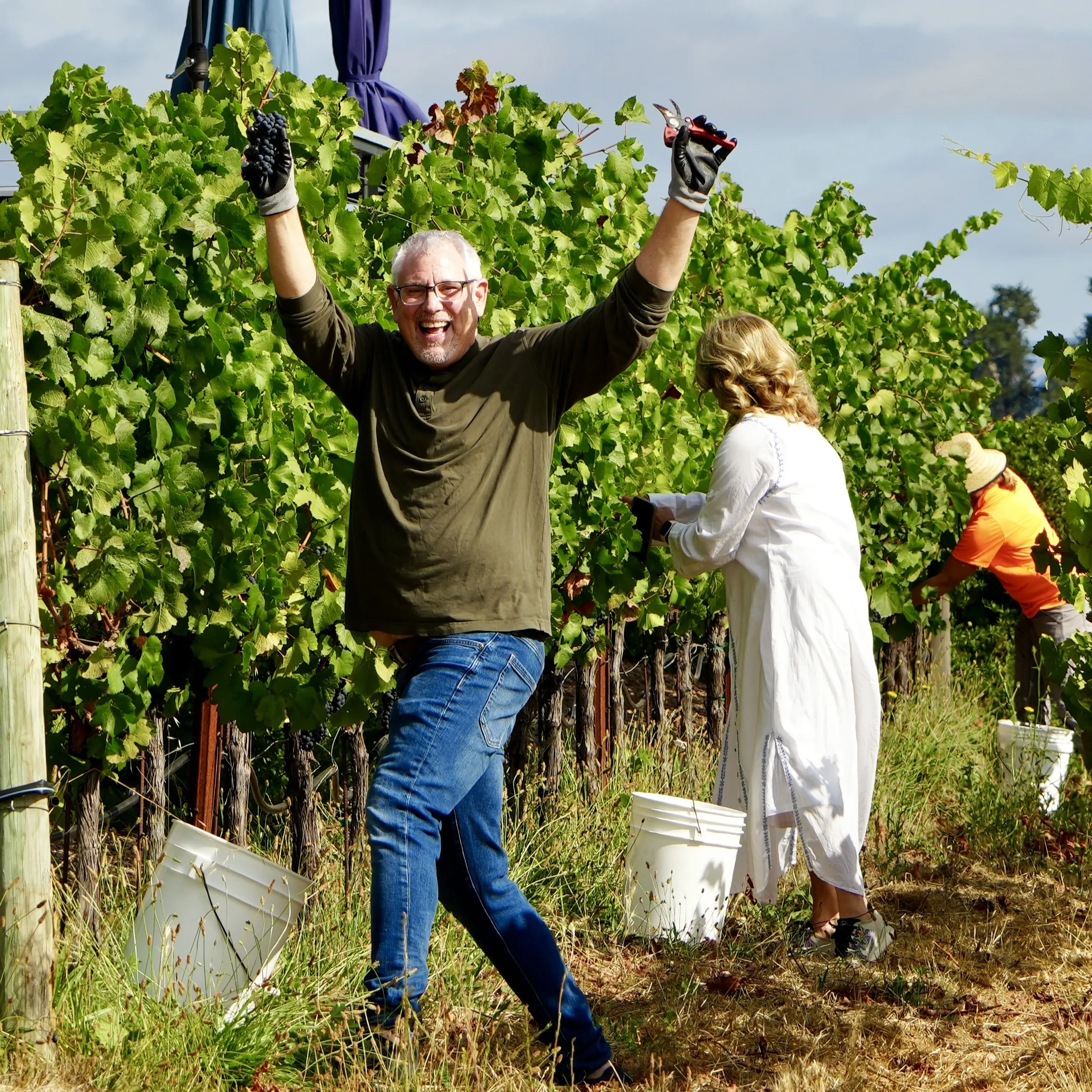
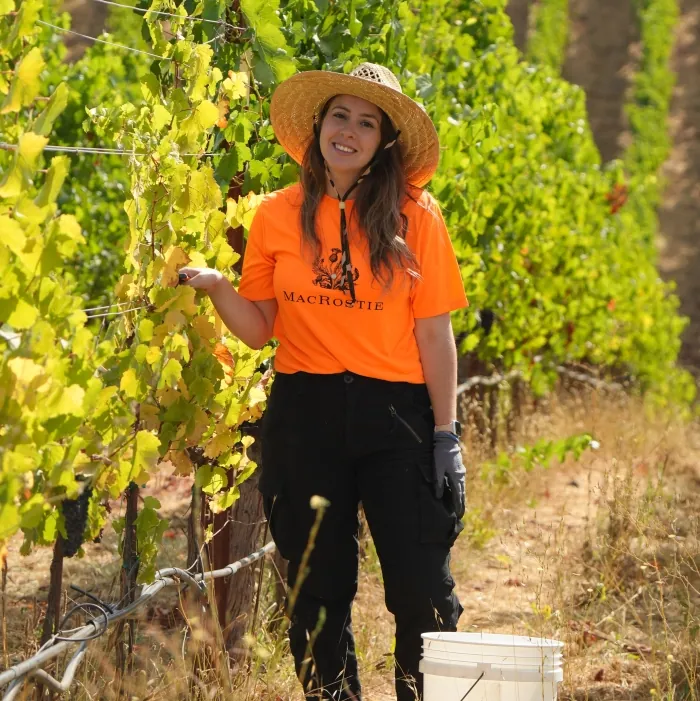 One of my favorite parts of this harvest was the energy in the cellar. Our Cellar Master, Francisco “Paco,” completed his second vintage with us, and our Assistant Winemaker, Carolina, her fifth, with both bringing incredible skill and enthusiasm to their work. We also had two returning interns, which is uncommon. Collectively, the whole team worked together seamlessly, sharing knowledge, running small-lot trials, and keeping things fun along the way. We even did a team pick of one block of our Thale’s Vineyard, and celebrated together afterwards with a toast of sparkling wine to another great year.
Looking Ahead
While it’s far to early to herald the greatness of the vintage, I’m especially excited about several wines, including the Soberanes Vineyard Pinot Noir, and our wines from the Sangiacomo and Bacigalupi vineyards, both of which delivered stellar fruit. I also expect another sensational vintage from Nightwing. While it will be a while until we share most of our 2025, I’m already looking forward to the spring 2026 release of our 2025 Rosé of Pinot Noir, along with the debut of our new 2025 MacRostie Sauvignon Blanc, both of which reflect the craftsmanship and curiosity that define MacRostie.
As I look back on the 2025 harvest, I’m proud of the teamwork, creativity, and care that made this season special. From Thale’s to Nightwing and beyond, the vineyards shone, and our 2025 wines will too.
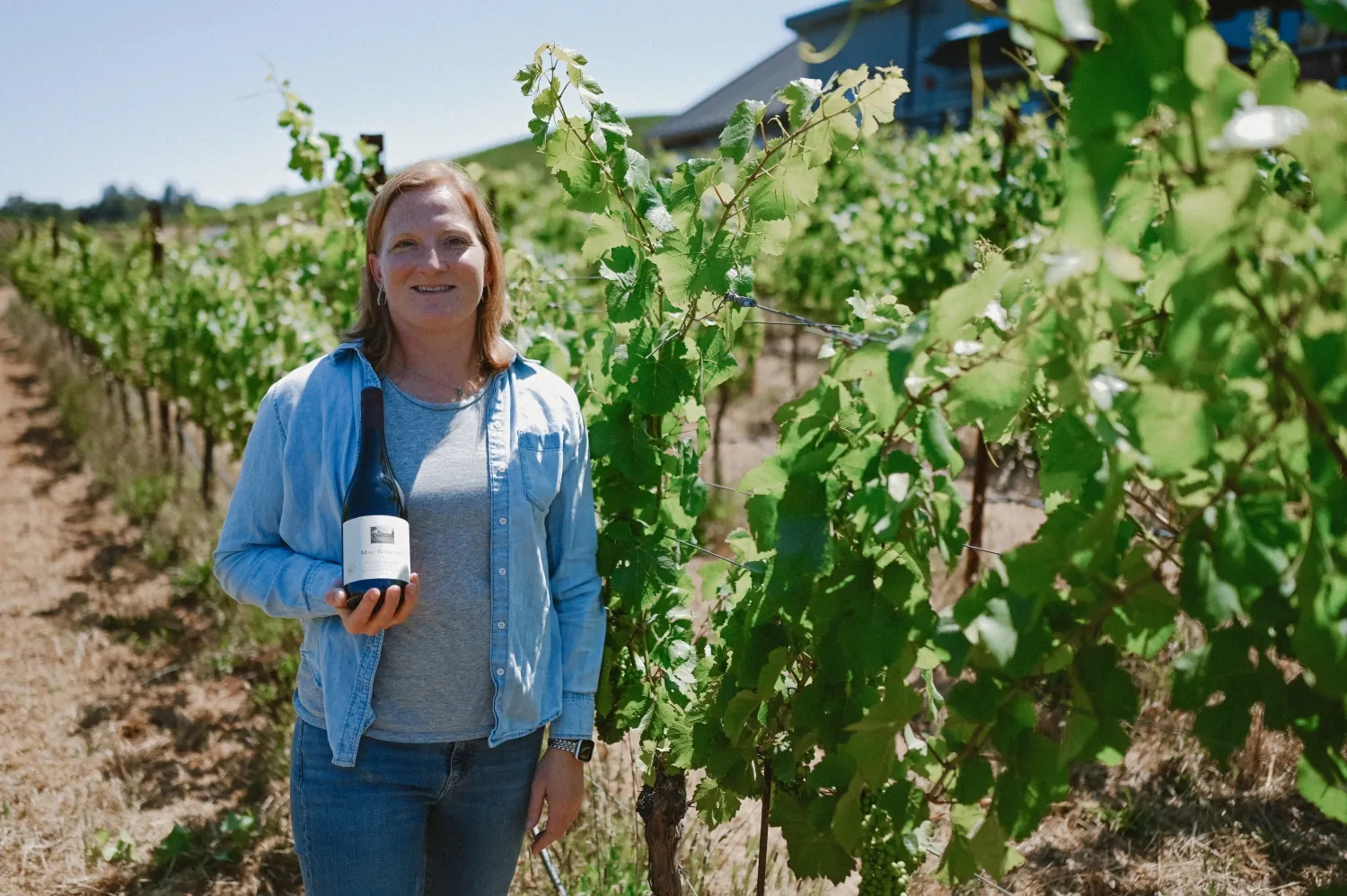
Winemaker Heidi Bridenhagen
MacRostie Winery & Vineyards