find near you


 find near you
For lovers of world-class, cool-climate Pinot Noir, the last few decades have been a Golden Age in California. As new appellations have emerged, and vineyards have been planted using the finest modern clones and viticultural techniques, our Vineyard Partner program has grown from our roots in the Russian River Valley and Sonoma Coast to Carneros, Fort Ross-Seaview, Redwood Valley, Santa Lucia Highlands, Sta. Rita Hills, the Petaluma Gap, and Mendocino County’s acclaimed Anderson Valley.
With the release of our highly anticipated 2020 Anderson Valley Pinot Noir and our single-vineyard 2020 Day Ranch Pinot Noir, it’s a fitting time to share some of the reasons we have fallen under the spell of Anderson Valley. Located 110 miles northwest of San Francisco, the Anderson Valley was settled by Walter Anderson in the 1850s, and by the 1890s, Italian immigrants were planting the first vineyards in the region, mostly for home winemaking. It wasn’t until the 1960s that the first few commercial wineries were established, and most of those focused on Alsatian white varietals like Gewürztraminer, or Chardonnay for sparkling wine. While these varieties still thrive in the region, it has been the boom in Pinot Noir plantings over the past three decades that have catapulted the Anderson Valley to global fame as one of America’s great wine regions.
The Anderson Valley, which is only 15 miles long and a few miles wide, generally follows the path of the Navarro River. While the Anderson Valley is already one of the very coolest appellations in California, it gets even cooler in the northwestern edge of the valley, which is called the ‘Deep End.’ Just a few miles from the Pacific, the ‘Deep End’ is cold, wild, and perfect for Pinot Noir. It is also the home of the renowned Day Ranch—our favorite vineyard in the region. Formerly an apple orchard, Day Ranch was planted to grapes in the mid-1970s. Located on an alluvial terrace that abuts a mountainside, the site includes highland meadows, plateaus, and multiple river tributaries, along with weathered sandstone and shale soils.
It is an incredible site for both Pinot Noir and Chardonnay, and one of the most distinctive terroirs we work with. The Chardonnay from Day Ranch offers shimmering citrus flavors with nuances of white flowers and pineapple, while the 2020 Day Ranch Pinot Noir displays mesmerizing layers of cola, spice, dried Jamaican flowers, black plum, and blueberry, as well as sophisticated umami flavors of leather, pennyroyal, and truffles that reflect the wild, rustic character of the valley. The complexity of this wine is driven both by the remarkable character of the site and the three clones we worked with in 2020. These include the Dijon 115 and 667 clones, and Clone 91—a little-known Pommard clone that does beautifully at Day Ranch.
In part because of its relative remoteness, visiting Anderson Valley for a weekend is a delight. For those who remember wine tasting in Napa Valley during the ‘70s, or Sonoma County in the ‘80s, the Anderson Valley feels old school in all the right ways—approachable, uncrowded, and very down to earth. Home to vineyards, magnificent redwood forests, and the majestic Mendocino Coast, it is a region that is every bit as unique and beautiful as the world-class wines it produces.
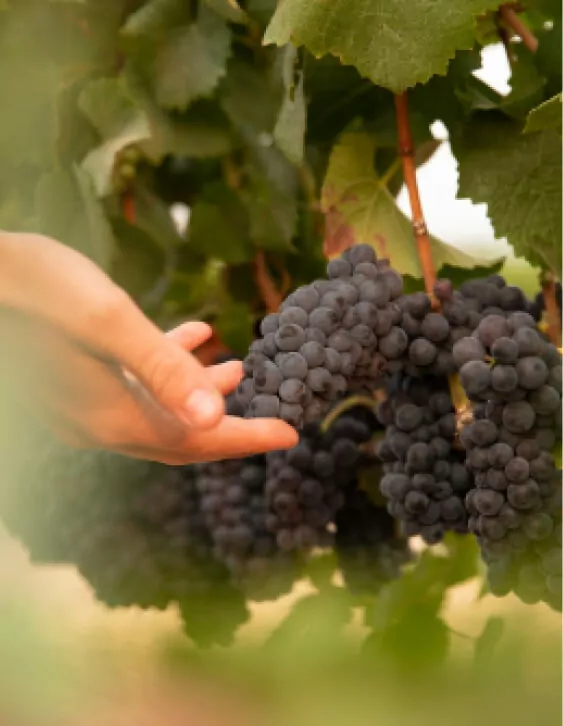
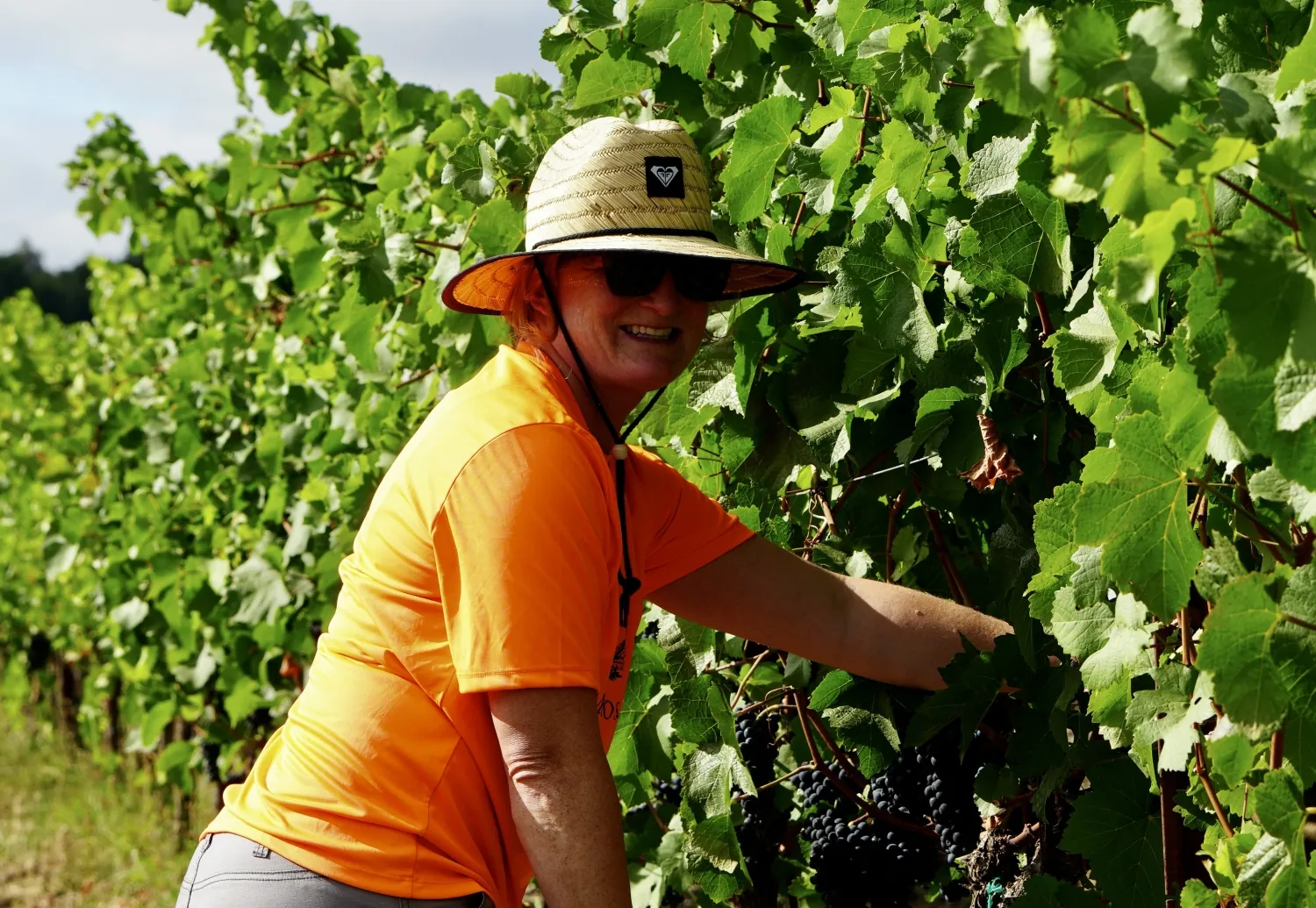
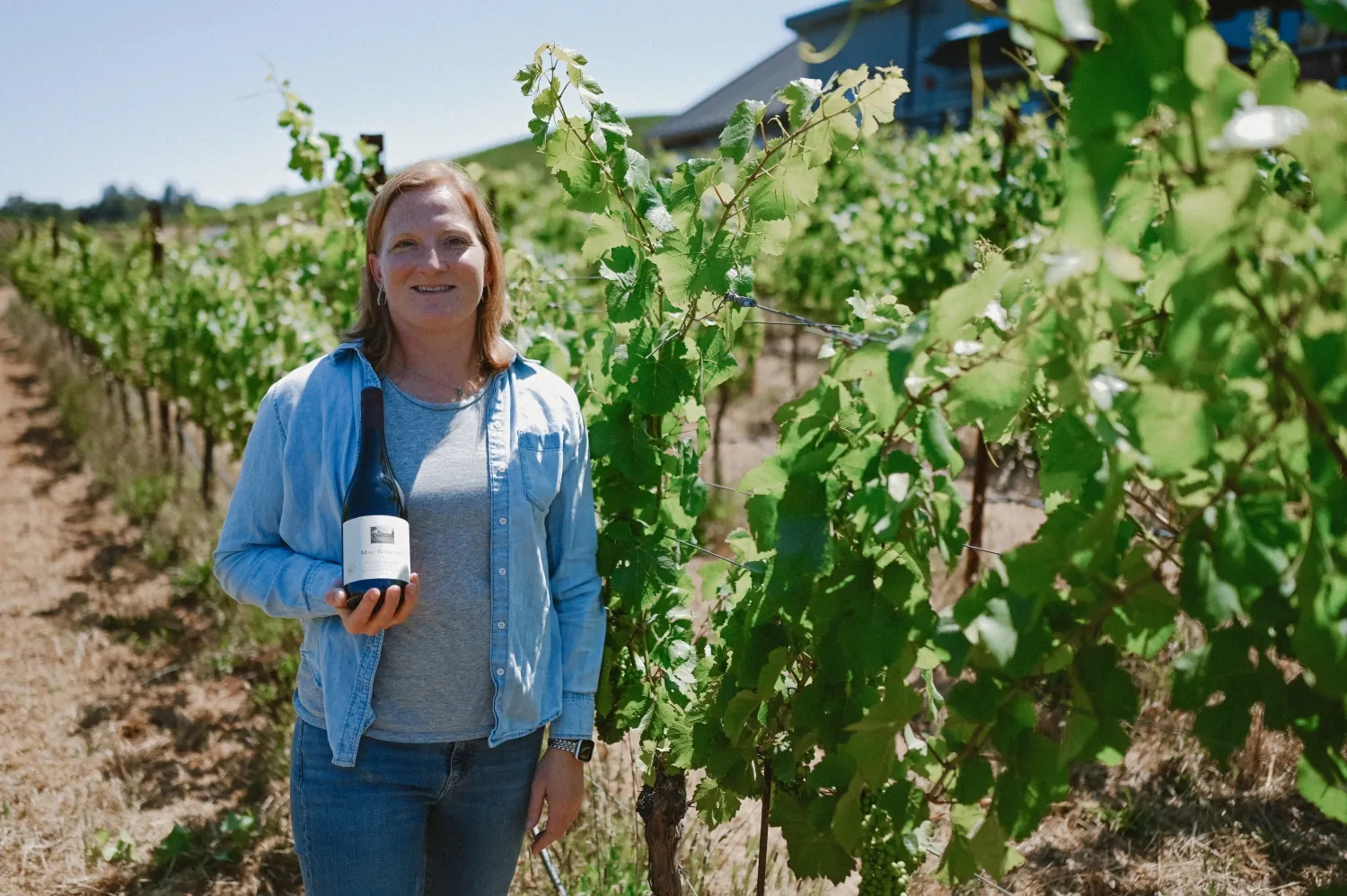

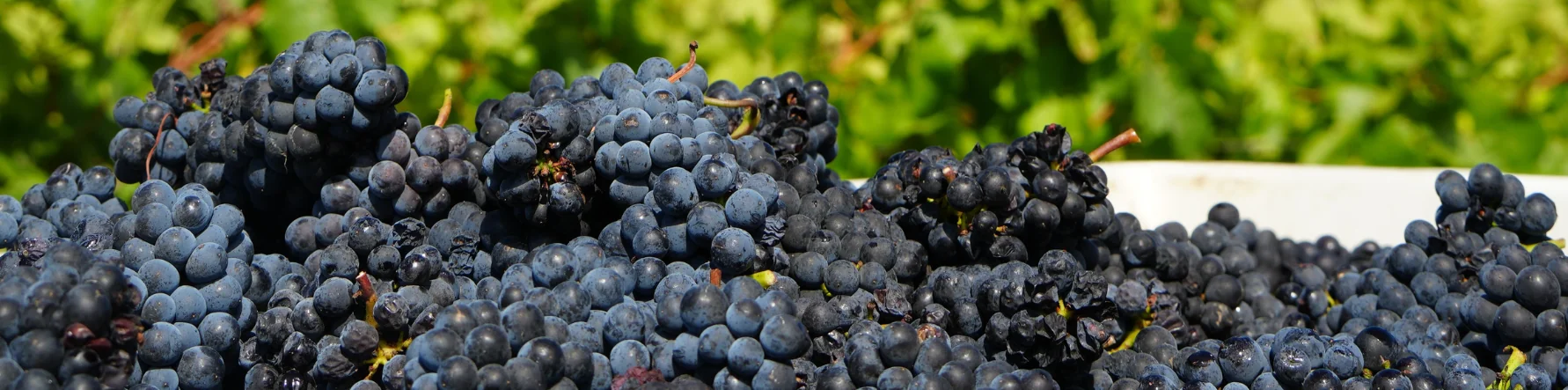
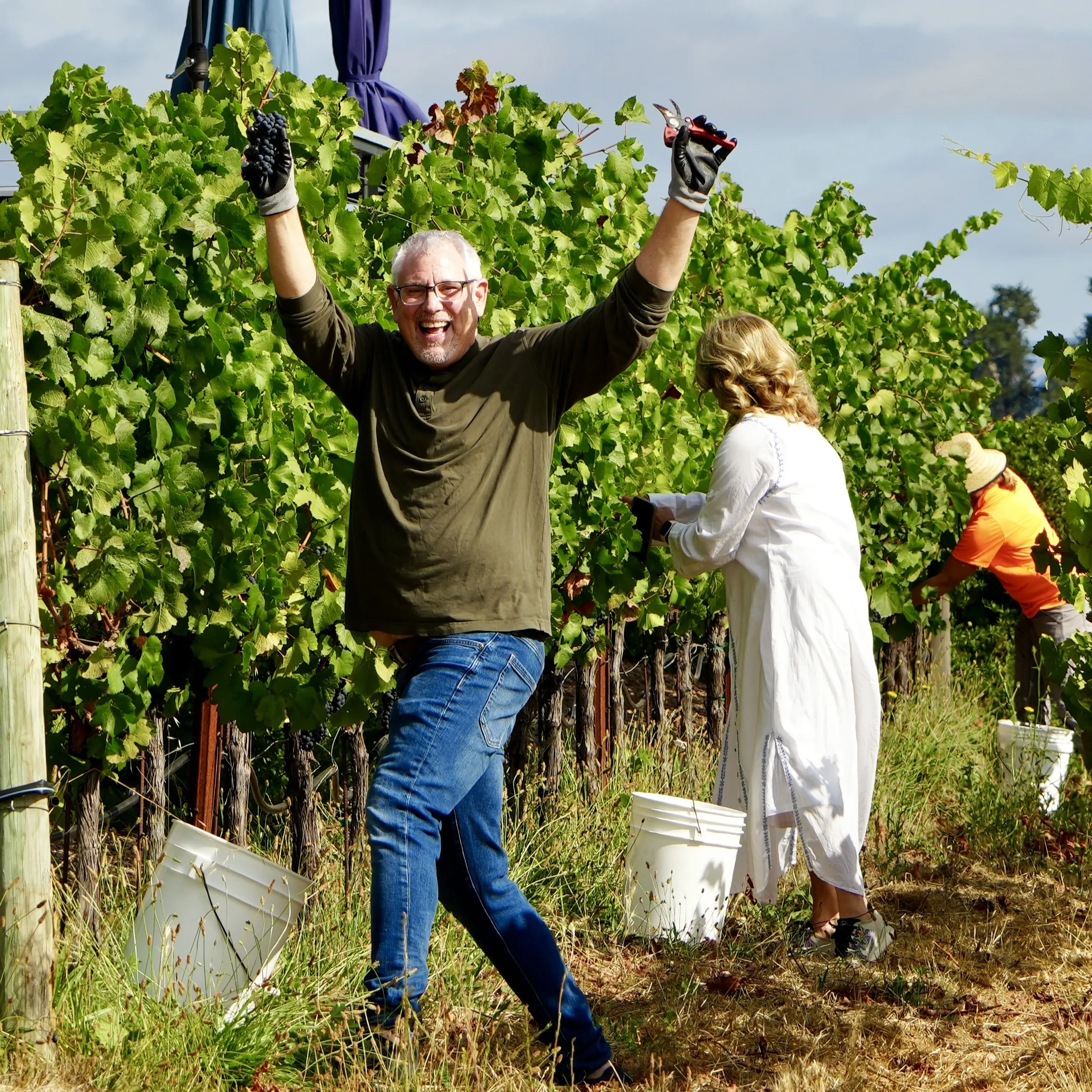 By early August, we were tracking two to four weeks behind schedule. Warm weather over Labor Day weekend helped ripening accelerate, followed by a gentle cool-down that set the stage for an ideal harvest. Our first Pinot Noir pick came from Thale’s Vineyard on September 5th, and our last Pinot came from Dutton family’s Manzana Vineyard on October 6th. For Chardonnay, we started with Bacigalupi Vineyard on September 16th and finished with our Nightwing Estate and Dutton Jewell Ranch on October 10th.
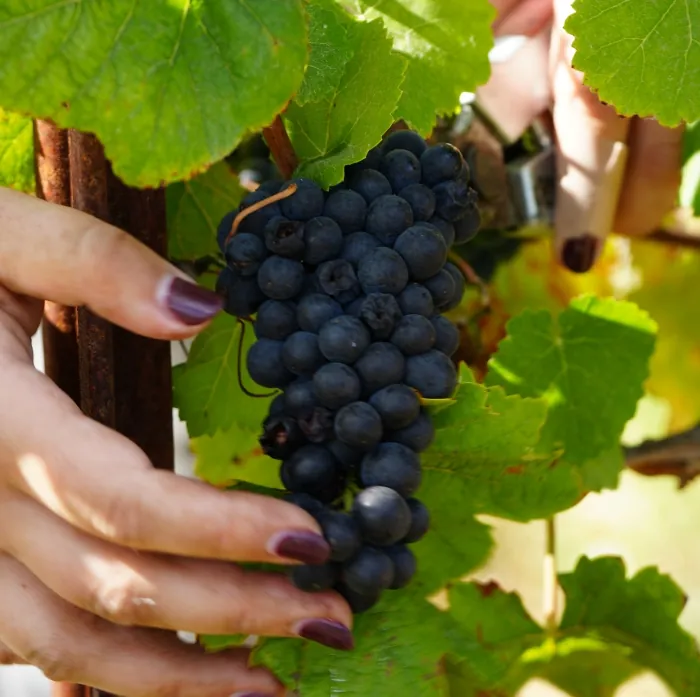 At Nightwing Vineyard, years of close observation are paying off. We’ve learned how each clone and block behaves and have fine-tuned our approach to pruning, canopy management, and harvest timing accordingly for each. As a result, the consistency and quality from Nightwing continue to impress. At Thale’s Vineyard, we’ve advanced our canopy coverage experiments to adapt to its warmer location. By using shade cloth, nutrient adjustments, and even natural clay applications (a kind of sunscreen for grapes), we’re protecting fruit freshness during heat events — an exciting evolution in our farming approach.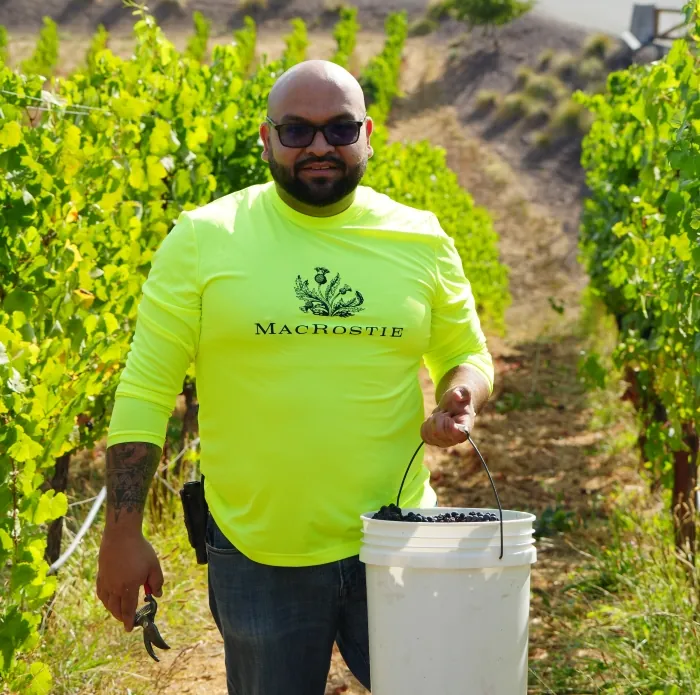
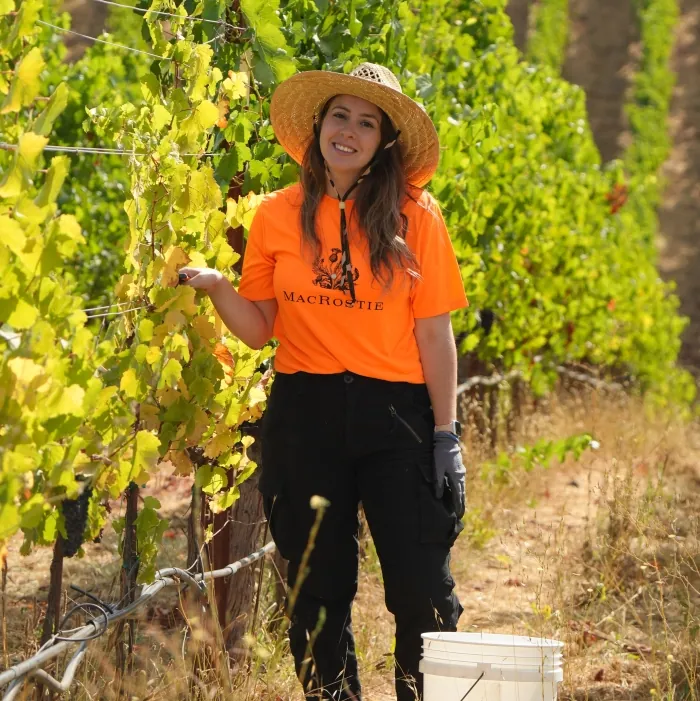 One of my favorite parts of this harvest was the energy in the cellar. Our Cellar Master, Francisco “Paco,” completed his second vintage with us, and our Assistant Winemaker, Carolina, her fifth, with both bringing incredible skill and enthusiasm to their work. We also had two returning interns, which is uncommon. Collectively, the whole team worked together seamlessly, sharing knowledge, running small-lot trials, and keeping things fun along the way. We even did a team pick of one block of our Thale’s Vineyard, and celebrated together afterwards with a toast of sparkling wine to another great year.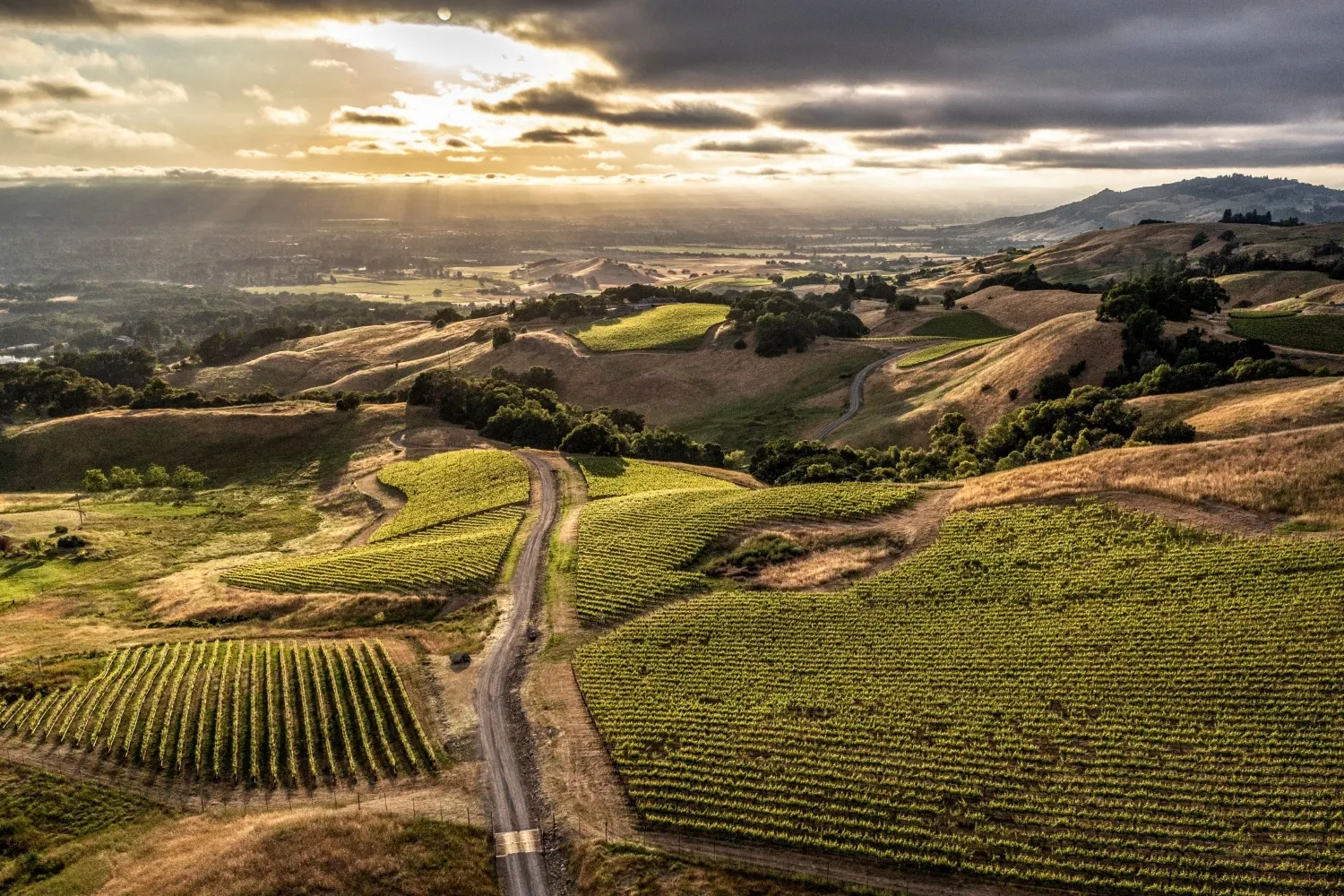
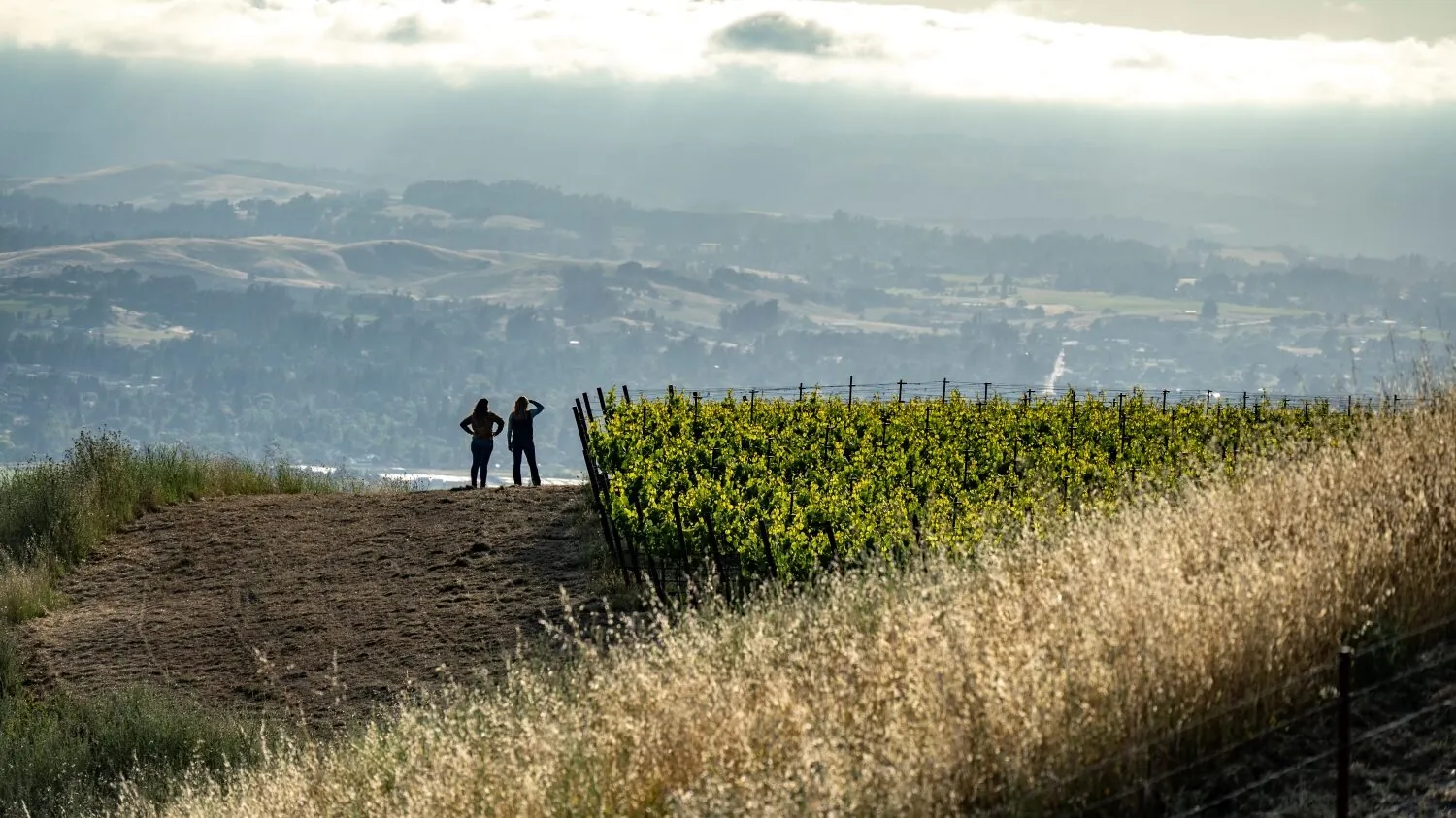

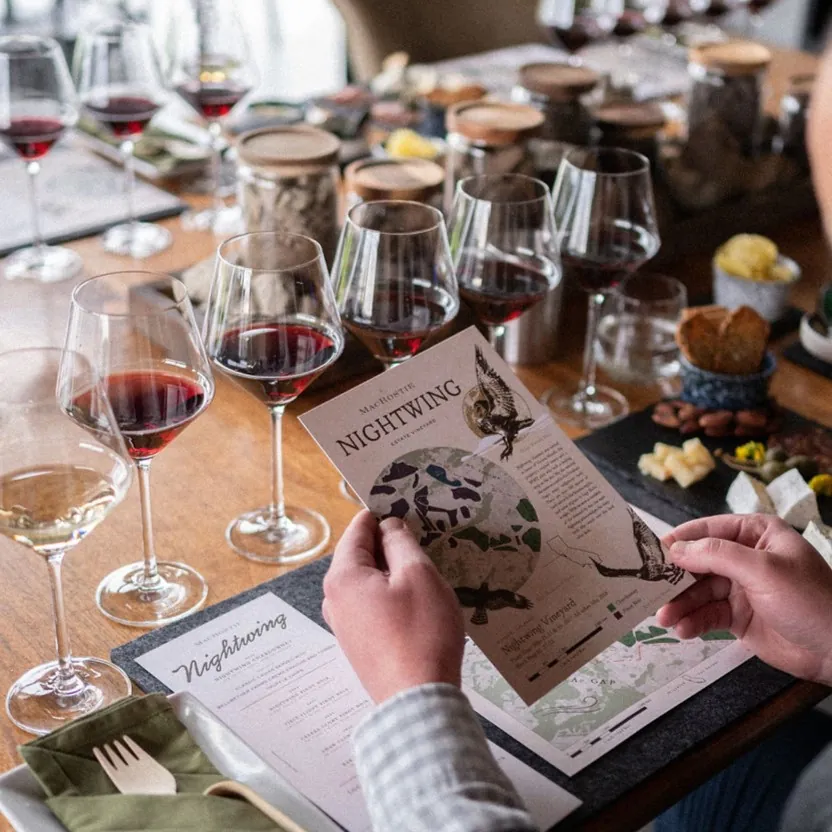 Since we only occasionally host events at Nightwing, we unveiled a special experience last year to spotlight the vineyard and to help our customers forge a deeper connection with this exciting site and its wines. Focused exclusively on 90+ point wines from Nightwing, our 2-hour